

Friday 21/November/2025 – 02:24 PM
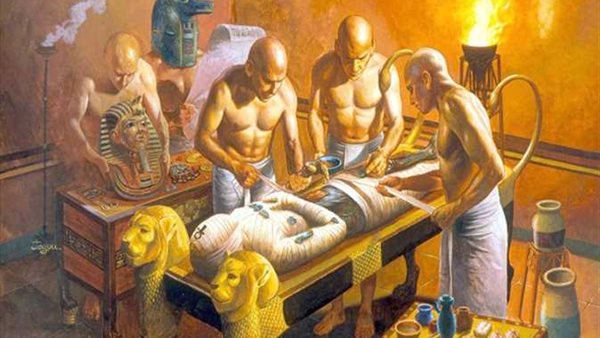
Many may wonder how to embalm, as the Sherman-Flatbush Memorial Church in the United States of America has published extensive information about the mummification process, which has been known historically since the time of the ancient Egyptians, explaining that this question is one of the most frequently asked questions among funeral directors.
How to mummify
Regarding how to embalm, it is a means of disinfecting the body and temporarily preserving it by replacing the blood and fluids with a disinfecting liquid based on formaldehyde. The process begins with preparatory steps that include cleaning the body, removing clothes, examining jewelry, and closing the mouth and eyes in a cosmetic way that gives the deceased a natural appearance.
- An incision is also made in the carotid or femoral artery to pump out the embalming fluid, while blood is drained from the jugular or femoral vein.
- The chest and abdominal cavities are then treated by suctioning fluids and injecting a concentrated fluid that preserves the organs.
- The process ends with washing the body, drying it, styling the hair, and applying cosmetics before placing it in the casket.
Name of the embalming material
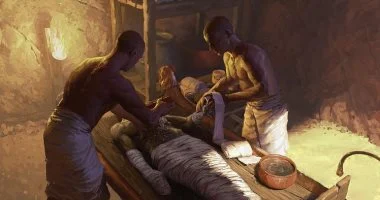
Regarding the name of the embalming material, the main material used in modern embalming is formaldehyde, which is diluted with water to form arterial embalming fluid. Additional chemicals are also used for preservation, deodorization, and beautification.
Embalming materials
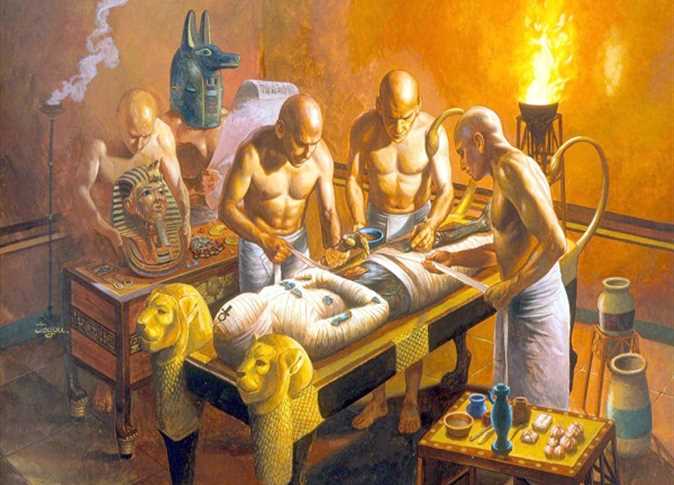
Regarding mummification materials, they include a number of components that are as follows:
- Formaldehyde is the basic material for preservation and disinfection
- Alcohol
- Glycerin
- Light pigments to give a pink appearance to the body
- Preservative powders placed inside the body cavity
- External disinfectants and sterilizers
- Morgue cosmetics
The strength of these materials varies according to the condition of the body, previous diseases, and the period between death and embalming.
How to mummify the Pharaohs
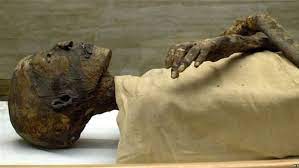
Regarding how the Pharaohs embalmed, the ancient Egyptians were the most famous for developing the arts of embalming, and its aim was to ensure the proper transition of the dead to the afterlife, as the ancient process included precise steps that included:
- Washing the body with Nile water and oils
- Transnasal brain extraction using metal tools
- Remove the intestines and place them in canopic containers
- Immerse the body in natron salt for 40 days
- Wrap the body in linen strips impregnated with resin
- Place amulets between the scrolls
- Covering the body with a funeral mask and placing it inside the coffin
It must be noted that no one has yet reached the secret of mummification among the ancient Egyptians, and everything that is currently used for preservation takes place within a short period of no more than years.
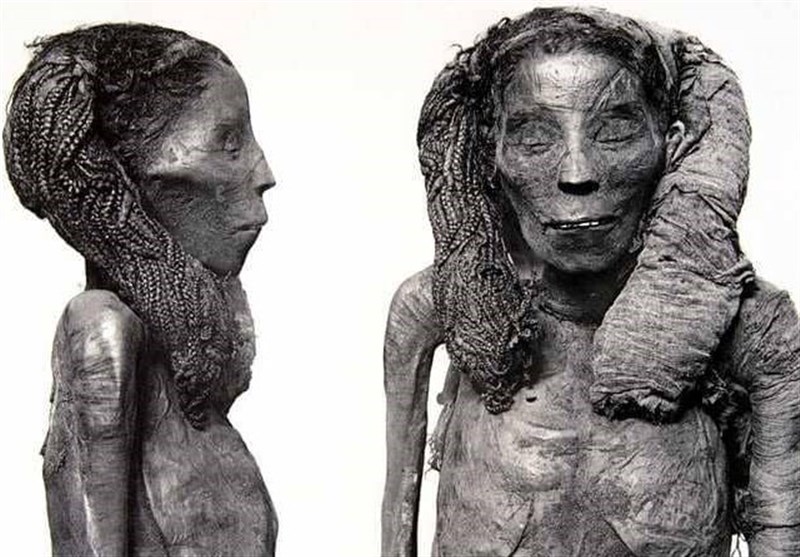
Embalming corpses
Regarding embalming corpses, it is not legally mandatory in most countries, but it is used for social and health reasons, the most important of which are:
- Allow sufficient time to hold the funeral ceremony
- Preventing the spread of infection
- Enabling family members residing outside the country to have a final look
- Transporting the body in the event of travel or deportation
The Sherman-Flatbush Church explained that mummification does not lead to permanent preservation of the body, but rather delays decomposition for a period ranging from weeks to months, and may extend to years depending on environmental conditions.