

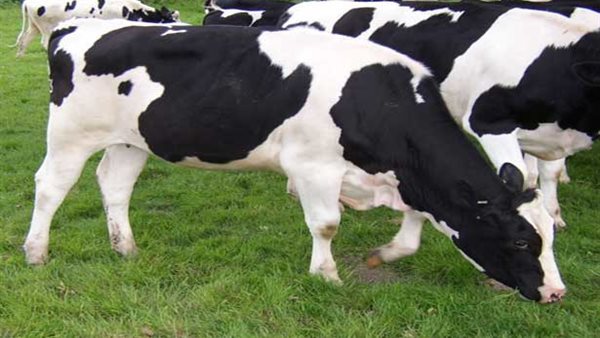
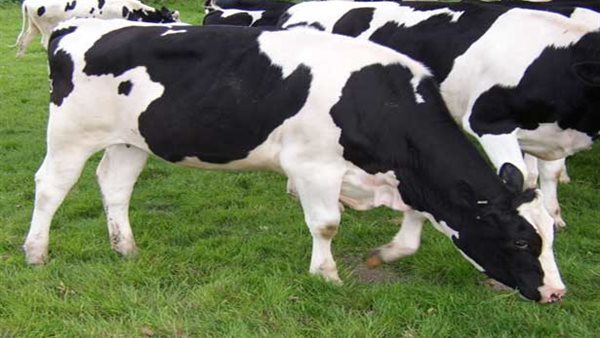
She announced Ministry of Agriculture And Land Reclamation has achieved remarkable progress in the work of the national and exceptional campaign to vaccinate livestock against foot-and-mouth disease, as the teams of the General Authority for Veterinary Services were able to vaccinate about 1.7 million heads of livestock, including cows, buffaloes and sheep, since the launch of the campaign on the tenth of January, within the framework of a comprehensive plan aimed at strengthening the veterinary prevention system, protecting livestock and supporting food security in Egypt.
The Ministry confirmed that the campaign comes within the directives of the executive leadership on the necessity of increasing the efficiency of preventive immunizations and proactively dealing with epidemic diseases that may threaten livestock, especially during periods of climate fluctuations and the winter season, which usually witnesses high rates of cross-border diseases.
She explained that veterinary extension teams accompany field committees during the implementation of vaccination work in villages, centers and rural areas, where they play a pivotal role in educating breeders about the importance of periodic vaccination, and the commitment to implementing biosecurity procedures inside barns and farms, which contributes to reducing the chances of the spread of diseases and protecting animal production from economic losses.
In this context, the Ministry confirmed that veterinary efforts are not limited to giving vaccines only, but extend to numbering and registration, active investigation of disease cases, disinfection of markets and places where animals gather, in addition to taking laboratory samples when any abnormal symptoms are suspected, within an integrated system for early detection and rapid response.
She indicated that the epidemiological situation in the markets that have been visited so far is stable, which reflects the success of the preventive measures taken and the efficiency of the proactive vaccination programs that are being implemented nationwide, which contributes to maintaining the stability of the meat and dairy market, and ensuring the continuity of food supply chains.
In a parallel framework, and within the national strategy to combat rabies, the General Authority for Veterinary Services continues to implement campaigns to vaccinate and sterilize free-range dogs in various governorates, where about 6,534 free-range dogs have been vaccinated, in addition to 848 dogs sterilized since the beginning of this year until now, in cooperation with the concerned authorities, civil society organizations, and animal welfare societies.
The Ministry of Agriculture confirmed that these efforts aim to achieve a balance between protecting public health and adhering to the principles of animal welfare, through safe and sustainable control of the number of free-ranging dogs, and reducing the risks of transmitting rabies to citizens, without resorting to practices that harm the environment or wildlife.
The Ministry stressed that vaccination and sterilization programs represent one of the main axes of the state’s vision to develop the livestock sector, raise its production efficiency, and enhance its role in achieving sustainable development, especially in light of global health and economic challenges.
At the conclusion of the statement, the Ministry of Agriculture called on all breeders and citizens to fully cooperate with field veterinary teams and facilitate their tasks during the implementation of campaigns, stressing that community participation represents an essential element in the success of veterinary prevention plans and protecting public health, while allowing communication with the General Authority for Veterinary Services via the hotline 19561 to report any suspected cases or to inquire about vaccination services.