
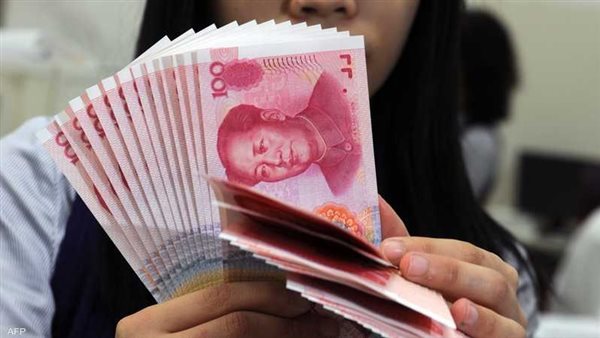

register Chinese yuan It declined slightly against the US dollar during trading on Wednesday, affected by economic data that showed a noticeable slowdown in the pace of exports, in light of external pressures linked to rising energy costs and declining global demand.
The Chinese currency fell to about 6.8178 against the dollar in the local market, a decline of 0.04% compared to the close of the previous session, in an indication that it was affected by the slowdown in foreign trade activity, which is one of the most prominent drivers of the Chinese economy.
Official data revealed that Chinese exports grew by only 2.5% during the month of March, the lowest level in five months, compared to a strong rise of 21.8% during the months of January and February, which reflects a clear decline in global demand for Chinese goods.
Analysts believe that this slowdown is directly related to the repercussions of geopolitical tensions in the Middle East, especially with the rise in energy prices as a result of the conflict related to the Strait of Hormuz, which led to an increase in production and shipping costs, thus negatively impacting global trade movement.
Despite this decline, expectations for the yuan in the medium term remain positive, as estimates issued by DBS Bank indicate that weak trade data should be treated with caution, given the effects of the annual comparison, stressing that the general trend of the Chinese currency is still inclined to the upside.
In the same context, analysts believe that the US dollar has begun to lose part of its appeal as a safe haven, with increasing hopes for containing geopolitical tensions through diplomatic paths, especially after international movements to reduce escalation in the region.
Analysts pointed out that US President Donald Trump’s decisions related to tightening restrictions on navigation in the Strait of Hormuz prompted international powers, including China and the European Union, to intensify their efforts to avoid a widespread escalation that might affect the global economy.
For its part, Deutsche Bank recommended selling the dollar, considering that the peak of risks associated with the war with Iran has been relatively passed, which may open the way for a decline in the US currency during the coming period.
These developments reflect a state of anticipation in global markets, as investors balance short-term pressures on the yuan with positive long-term expectations, in light of the possibilities of changing global monetary policy trends and a decline in the strength of the dollar.