
Will this European funding make Egypt a major player in the global clean energy market? Can renewable energy actually reduce the fuel import bill and ease pressure on the dollar? When will the citizen directly feel the fruits of the sustainable energy transition? Is the electricity infrastructure ready to accommodate the massive production of sun and wind? Can Egypt transform from an energy consuming country to a green energy exporting country? And how will the private sector participate in this plan?
Egypt is moving with steady steps towards a different future in the energy file, a future based on clean and sustainable energy, not only as a slogan, but as a real job plan that will be implemented on the ground, and will change the shape of the economy and energy in the country during the coming years.
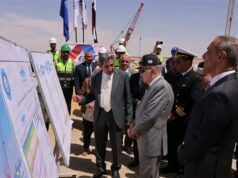
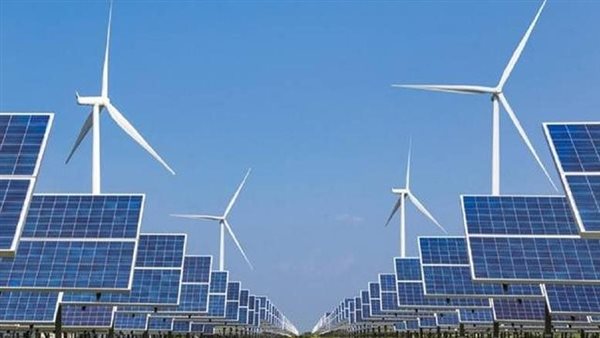
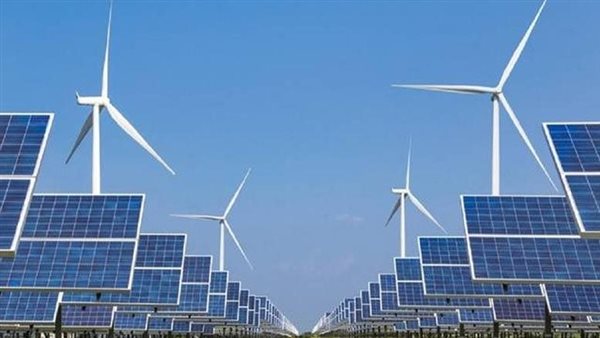
Recently, the European Union announced major financial support to Egypt, the aim of which is to develop the electricity network and enhance the capabilities of renewable energy, such as sun and wind. This means that the state is not only installing new plants, but also strengthening the infrastructure to accommodate the large production of clean energy without breakdowns or losses.
This support helps Egypt solve one of the biggest challenges in renewable energy, which is that production remains variable depending on the weather, so a smart and strong electricity network was needed that can distribute energy efficiently and maintain electricity stability at all times.
An important part of European funding also goes to advanced green energy projects, such as green ammonia, and this is not just clean energy, it is a global product that is in great demand, and is used in industry, transportation, and energy, and this opens a new export door to Egypt with large dollar returns.
So, how will Egypt actually benefit from all of this? Firstly, reducing the import bill, since Egypt produces its energy from the sun and wind, its dependence on imported fuel will decrease, and this reduces the pressure on the foreign currency and strengthens the trade balance. Secondly, securing energy, because renewable energy means a stable source in the long term, not linked to fluctuations in oil and gas prices or global crises, and this guarantees stable electricity for factories and homes.
The third thing that remains is investment and employment opportunities, because these projects attract international companies and create thousands of direct and indirect job opportunities, from construction and operation to maintenance and services, and this is reflected in the local economy.
The fourth need is to transform Egypt into a regional energy center, because Egypt’s geographical location and the electrical interconnection network with neighboring countries make it an important export point for clean energy, whether electricity or products such as hydrogen and green ammonia.
As for the fifth thing, it is improving Egypt’s image globally. This is because the commitment to clean energy and reducing emissions makes Egypt a reliable partner for countries and international institutions, and this opens the doors of greater financing and investment in other fields.
The plan until 2040 is not just about producing electricity and that’s it. This is a complete vision that links energy, industry, export, and sustainability, and will move Egypt from a country that consumes energy, to a country that produces, exports, and competes in a difficult global market.
In the end, European funding is not a goal in itself, but it is a means for Egypt to build a stronger economy, cleaner energy and a more secure future for future generations.