

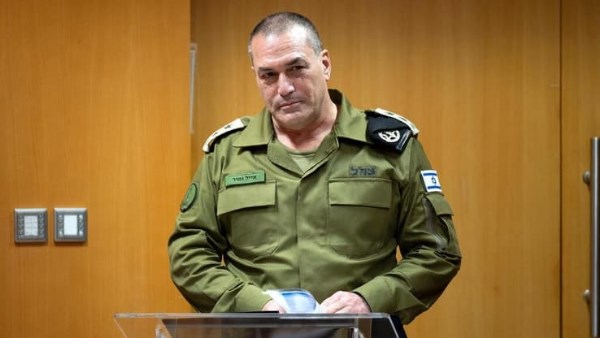
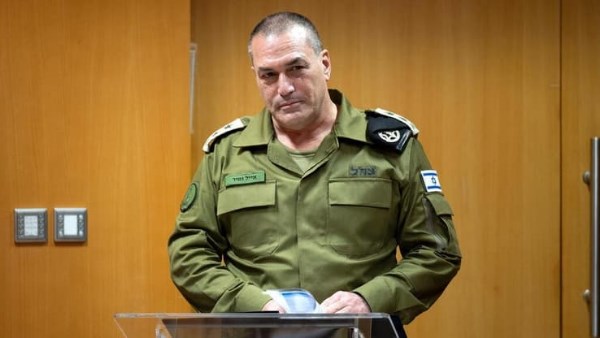
On Wednesday evening, the Israeli Army Chief of Staff issued instructions to enhance defensive readiness in various military formations, at a time when rumors and estimates are increasing regarding an expected American attack on Iran.
Army spokesman, Brigadier General Yves Dafrin, said that the military institution is closely following developments, and that the Chief of Staff is conducting continuous assessments of the situation, stressing that “at this stage, there is no change in the defense policy.”
Dafrin called on the public to rely on official statements and refrain from promoting rumors “that may raise unjustified anxiety,” adding that the army “is on alert and will continue to work responsibly to protect the security of citizens.”
Repercussions on air traffic
Field estimates and analyzes circulating about the timing of the potential strike quickly affected the aviation sector. The German company Lufthansa announced, on Wednesday evening, the suspension of its night flights to and from Ben Gurion Airport until next Monday, and its schedule to be converted to daytime flights only between January 15 and 19, with the aim of allowing its crews to return to their bases without spending the night in Israel. The company explained that affected passengers will be automatically transferred to alternative flights.
For its part, the Israeli Airports Authority said that air traffic “is proceeding as usual,” but it called on travelers to follow the developments of airline companies in anticipation of any update.
Trump’s positions and ambiguous statements about military action
In Washington, US President Donald Trump appeared at the White House and announced that he had received information “from a reliable source” indicating that Tehran had stopped a plan to execute detained Iranian demonstrators. Trump warned that carrying out mass executions “would be met with extreme anger,” without deciding whether Washington had backed away from the option of military action.
Trump’s statements coincided with intelligence estimates indicating that the US Army was preparing for action in the coming days, and with emergency movements that included evacuating forces from bases in the Gulf and calling on citizens of Western countries to leave Iran.
Conflicting estimates about the timing of the attack
International reports about the date of the possible strike are still contradictory. European sources told Reuters that the attack could occur within 24 hours, while the New York Times reported that the proposed options include a cyberattack or striking the Iranian internal security apparatus, and that it may take days, and the sources expected that any American move would provoke a strong Iranian response.