


Friday 13/February/2026 – 06:01 AM
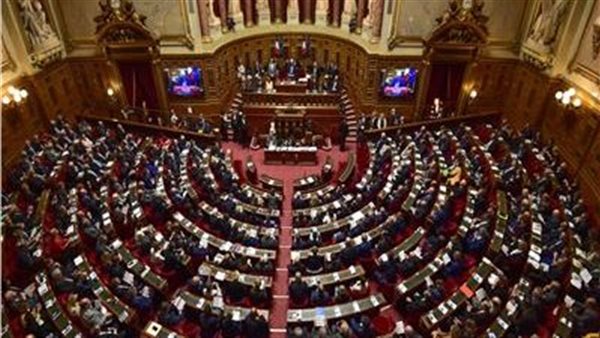
The US Senate blocked legislation aimed at funding the Department of Homeland Security before the deadline set on Friday, as the dispute escalates between Republicans and Democrats over the immigration policies pursued by the administration of President Donald Trump, threatening a new government shutdown.
The differences between the two parties are focused on several key issues that hinder reaching a quick agreement, as Democrats are calling for new restrictions on the work of members of the Immigration and Customs Enforcement (ICE) and the Customs and Border Protection (CBP) Department, including requiring them to reveal their faces and wear clear identification cards, and the use of cameras installed on the body with their recordings available for investigations. They also call for the requirement to obtain judicial orders before entering private property.
Republicans believe that these procedures may put agents and their families at risk, while Democrats maintain that they are standards in place in other law enforcement agencies.
Restricting areas where arrests can be carried out
Democrats seek to prevent immigration arrests from being carried out inside sensitive places such as churches, schools, hospitals, polling places and courthouses, considering that these sites should remain outside the scope of raids.
Democrats demand that detainees’ lawyers be immediately granted access to their clients, to avoid detaining American citizens by mistake, in addition to removing what they consider to be obstacles to members of Congress’ visits to detention centers within their oversight powers.
On the other hand, Republicans focus on protecting federal agents during their implementation of arrest and deportation orders against irregular immigrants, stressing that this enhances security in American cities.
They also demand that provisions be included in the department’s $64.4 billion funding bill to penalize so-called “sanctuary cities” that do not cooperate with federal authorities in immigration enforcement.
According to reports, with the deadline approaching on Friday, negotiators have only about two weeks to formulate a comprehensive agreement, and Democrats believe that this period is sufficient, while Republicans consider that the issues at hand are complex and require longer time to formulate them legislatively and present them to a vote.