

Mistakes some people make during suhoor ? Suhoor It is a sunnah for the fasting person that is established on the authority of the Messenger – may God bless him and grant him peace – the one who does it is rewarded and the one who abandons it is not punished. On the authority of Anas bin Malik, may God be pleased with him, he said: The Prophet, may God’s prayers and peace be upon him and his family, said: “Have the suhoor meal; For there is a blessing in the suhoor.” Narrated by Al-Bukhari in his “Sahih.”
Suhoor mistakes
Some people who fast during the month of Ramadan make three mistakes: SuhoorAnd she is First: some people left SuhoorThis is contrary to the Sunnah. The Prophet, may God’s prayers and peace be upon him, was one of his guides to suhoor, and he encouraged it and made it a difference between our fasting and the fasting of the People of the Book. He, peace and blessings be upon him, said: “Eat suhoor; There is a blessing in the suhoor.” And he, peace and blessings be upon him, says: “A separation between our fasting and the fasting of the People of the Book, those who eat suhoor.”
secondly: Accelerate Suhoor Serving it at midnight or an hour or two before dawn, which is contrary to the Sunnah. The Prophet – may God bless him and grant him peace – said: “Hasten to break the fast, and delay the suhoor.” The Sunnah is for the suhoor to be at the time of dawn, a little before dawn. Hence Suhoor is called Suhoor. On the authority of Anas – may God be pleased with him – that the Messenger of God – may God’s prayers and peace be upon him – and Zaid bin Thabit had suhoor, and when they had finished their suhoor, the Prophet – may God’s prayers and peace be upon him – rose to prayer and prayed. Anas was asked: How long was it between them finishing their suhoor and entering the prayer? He said: “A man can recite fifty verses,” approximately 30 minutes before the dawn call to prayer.
Third: Among the errors in SuhoorContinuing to eat and drink with the call to prayer for dawn while he hears the call. The servant must be careful about his fast, so he abstains as soon as he hears the call to prayer for the muezzin, so that his fast is valid. If he eats and drinks and the call for dawn is called, he gives the call to prayer. He broke his fast He has to spend another day.
The virtue of suhoor in Ramadan
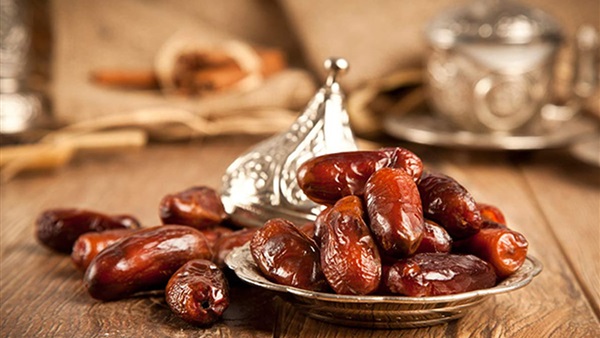
On the authority of the Prophet, may God’s prayers and peace be upon him and his family, that he said: God, Blessed and Most High, and His angels pray for those who seek forgiveness and those who eat suhoor at suhoor, so let each one of you eat suhoor, even if it is with a drink of water, and the best suhoor is stalks and dates.
The suhoor meal is considered one of the main meals in the blessed month of Ramadan, and doctors have confirmed that it is more important than the breakfast meal because it helps one endure the hardships of fasting. Therefore, our Prophet, the Chosen One, may God bless him and grant him peace, recommended and encouraged suhoor in other than one hadith, saying: (Eat suhoor, for there is a blessing in suhoor). Narrated by Al-Bukhari and Muslim.
The reason for the blessing is in Suhoor This meal strengthens the fasting person, energizes him, and makes fasting easier for him, in addition to the reward and rewards it contains by following the guidance of the Messenger of God, may God bless him and grant him peace. This blessed meal has health benefits that benefit the fasting person and helps him spend his day fasting in an active and energetic manner.
The virtue of fasting
God Almighty has singled out the worship of fasting among the acts of worship with virtues andMany propertiesAmong them: First: Fasting belongs to God Almighty and He rewards it, as proven in Al-Bukhari (1894) and Muslim (1151) from the hadith of Abu Hurairah that the Prophet, may God’s prayers and peace be upon him, said: “For every deed of the son of Adam, a good deed is multiplied ten times to seven hundred.” Weakness. God Almighty said, “Except fasting, for it is for Me and I will reward for it. He gives up his desire and his food for My sake.”
Second: The fasting person has two joys that make him happy, as was proven in Al-Bukhari (1904) and Muslim (1151) from the hadith of Abu Hurairah that the Prophet, may God bless him and grant him peace, said: “The fasting person has two joys He makes them happy: when he breaks his fast, he rejoices, and when he meets his Lord, he rejoices in his fasting.”
Third: The smell from the mouth of a fasting person is better in the sight of God than the scent of musk, as was proven in Al-Bukhari (1894) and Muslim (1151) from the hadith of Abu Hurairah that the Prophet, may God bless him and grant him peace, said: “By the One in Whose Hand is the soul of Muhammad, the smell from the mouth of a fasting person is better in the sight of God Almighty on the Day of Resurrection than the scent of musk.”
Fourth: That God has prepared a door for those who fast No one will enter Paradise except them, as proven in Al-Bukhari (1896) and Muslim (1152) from the hadith of Sahl bin Saad, who said: The Messenger of God, may God bless him and grant him peace, said: “In Paradise there is a gate called: Al-Rayyan, through which those who fast will enter on the Day of Resurrection, but no one will enter through it.” Other than them, it is said: Where are the fasting people? Then they would stand up and no one would enter except them. When they entered, it would be closed and no one would enter.”
Fifth: Whoever fasts one day for the sake of God, God will keep his face away from Hell for seventy years, as proven in Al-Bukhari (2840); And Muslim (1153) from the hadith of Abu Saeed Al-Khudri, who said: The Messenger of God, may God bless him and grant him peace, said: “No servant fasts a day for the sake of God Except that on that day, God kept his face away from the Fire for seventy years.”
Sixth: Fasting is a shield (i.e. protection) from Hell. It is proven in the Two Sahihs from the hadith of Abu Hurairah that the Prophet – may God bless him and grant him peace – said: “Fasting is a shield.” Ahmad (4/22) and Al-Nasa’i (2231) narrated from the hadith of Uthman bin Abi Al-Aas, who said: I heard the Messenger of God – may God bless him and grant him peace – say: “Fasting is a shield from Hell, like one of you’s protection from fighting.”
Seventh: Fasting expiates sins, as stated in the hadith of Hudhayfah narrated by Al-Bukhari (525) and Muslim (144) that the Prophet – may God bless him and grant him peace – said: “The temptation of a man In his family, wealth, and neighbor, prayer, fasting, charity, enjoining good and forbidding evil expiate it.”
Eighth: Fasting will intercede for its companion on the Day of Resurrection, as Imam Ahmad (6589) narrated on the authority of Abdullah bin Amr, may God be pleased with them both, that the Messenger of God, may God bless him and grant him peace, said: “Fasting and the Qur’an They will intercede for the servant on the Day of Resurrection. Fasting will say: O Lord, I prevented him from food and desires during the day, so intercede for me on his behalf. The Qur’an says: I prevented him from sleeping at night, so grant me intercession on his behalf. He said: They will intercede.
What invalidates fasting
There are many things that spoil fasting and invalidate fasting. And things that break the fast are general – With the exception of menstruation and post-partum bleeding – the fasting person does not break his fast except under three conditions: that he be knowledgeable and not ignorant, that he remembers and does not forget, and that he chooses and is not forced or coerced.