
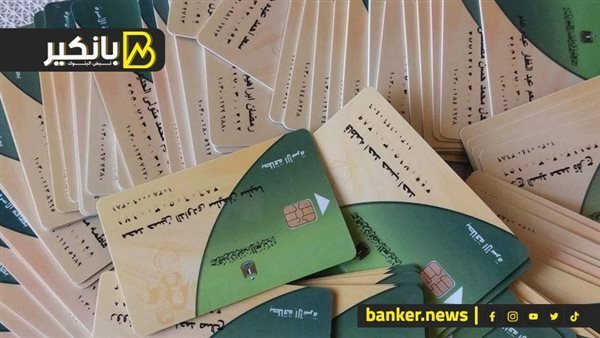
In light of the escalating controversy over the future of the support system, Hisham El-Dajawy confirmed, Head of the Foodstuffs Division at the Giza Chamber of CommerceHe said that the rumors about canceling the support are unfounded, explaining that the government is moving to reorganize the support and not affect it, by shifting from in-kind support to cash support, in a way that ensures that it reaches its beneficiaries efficiently and fairly.
Unifying the support system
Al-Dajjawi explained during his statements on a podcast:Business Tac“, presentation Ahmed Lotfy Executive Editor of BankerAbsolute cash support, which is based on making a sum of money available in an electronic wallet for citizens to freely purchase from anywhere, raises legitimate concerns among citizens and decision makers, especially in light of inflation rates and the possibility of a shortage of some goods in the market. On the other hand, conditional cash support is the best option, as the value of the support is pumped into the ration card, with purchases limited to government outlets, in a way that achieves price discipline and gives the citizen flexibility in choosing his various food needs, instead of just sugar and oil.

The head of the division pointed out that unifying the support system contributes to eliminating manipulation and smuggling resulting from the existence of two prices for one commodity, and closes the door to illegal practices that have exhausted both the state and the citizen.
Bread’s fate is to switch to cash support
Regarding the bread system, Al-Dajjawi explained that the cost of a loaf of bread to the state amounts to about 165 piasters, while it is sold to the citizen for only 20 piasters, pointing out that the current “bread points” system is not motivating, as it gives the citizen only 10 piasters for the loaf saved, which has led to wrong practices such as wasting bread or selling it as fodder. He suggested adding the value of the bread subsidy, estimated at about 7.5 pounds per day per person, to the ration card in the form of subsidy. Conditional cash, which encourages rationalization of consumption and the use of support to purchase more needed food commodities.
Availability of strategic goods
Regarding food security, Al-Dajjawi reassured citizens of the availability of strategic commodities, stressing that Egypt has a stock of sugar sufficient for 12 to 14 months, with imports currently halted depending on local production.
He stressed the importance of supporting public sector companies such as “Qaha” and “Adfina” as a safety valve that prevents the private sector from monopolizing markets and price fluctuations.
The state does not apply forced pricing
Regarding prices, he explained that the state does not apply forced pricing, but requires merchants to announce prices on the shelves, and that the limited differences between stores are due to differences in operating costs.
Prices stabilize before Ramadan 2026
Regarding the preparations for the month of Ramadan, Al-Dajjawi stressed the stability of prices and the availability of goods, with expectations that there will be no significant increases in light of the stability of the exchange rate, pointing to the “one-day” initiatives and “Ahlan Ramadan” exhibitions that provide discounts of up to 30%.
On the other hand, he considered that the new shop licensing law is an important step to regulate the market and eliminate the shadow economy, despite the presence of challenges, most notably the absence of a single window and the length of procedures. He called for separating the license from the lease contract, and praised the decision to reduce licensing fees by 50% to motivate merchants to legalize their status.