
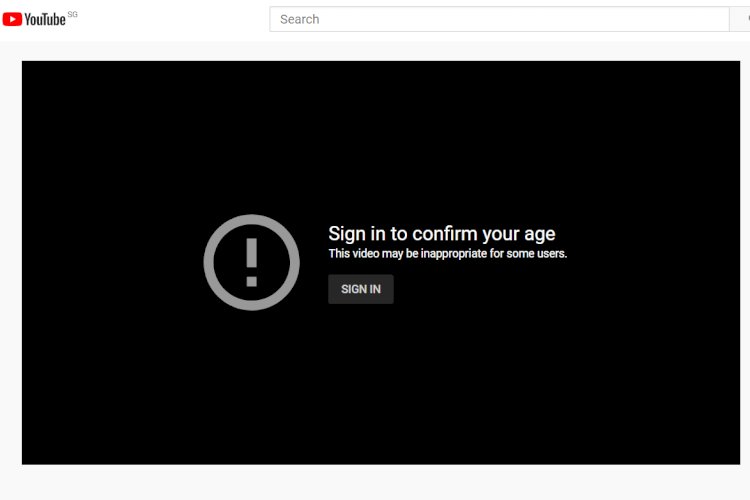
YouTube is rolling out more AI-powered technology to follow more videos that may require age restrictions, meaning viewers will be asked to log into their accounts to verify their age before watching.
Similar to how YouTube used machine learning techniques to try to better identify violent content as it tracked the most risky content on the platform starting in 2017, and later to find videos that included hateful behavior, the same approach will be used in this case to automatically flag videos that YouTube deems age-inappropriate.
As a result, YouTube will see more videos with age restrictions.
The company is also preparing for some errors in labeling, as is the case with any rollout of artificial intelligence-powered technology.
As part of the changes, people who watch YouTube videos embedded on external sites will be redirected to YouTube to sign in and verify their age.
One of the biggest questions facing creators in the YouTube Partner Program (those who can monetize their videos) is whether these moderation measures will impact their earning potential.
The YouTube team doesn’t think so because the majority of videos expected by the new technology will receive age-based restrictions and also likely violate the company’s advertiser-friendly guidelines.
Basically, these videos will already have limited or no ads, according to YouTube.
This does not mean that mistakes will not happen, but they will happen, as countless mistakes from misapplied designations, takedowns, and all kinds of controversies over copyright violations have shown in the past.
But YouTube is ramping up its appeals team to handle appeals as they come in.
Another concern for content creators is that age-restricted videos will not appear on the home page.
While age-restricted videos are less likely to appear on the home page, being age-restricted does not automatically prevent videos from appearing on the home page, according to YouTube.
The company is also preparing for some errors in labeling, and the launch of the new technology on the site comes at a time when YouTube is trying to address criticism from concerned parent groups on the website as being unsafe for children.
The YouTube team routinely says YouTube is not intended for anyone under 13 due to federal privacy protections, and the company points to YouTube Kids as the supposedly safer alternative.
However, this does not prevent young children from using the app at home or elsewhere.
Some of the most popular channels are built around creating content specifically for kids. Currently, a dedicated YouTube team imposes restrictions on videos when they come across them during reviews.
If it is deemed unsuitable for people under the age of 18, it receives an age restriction.
“As our use of technology will result in more videos being age-restricted, our policy team took this opportunity to reconsider where we draw the line for age-restricted content,” a new blog post from YouTube said.
“After consulting with experts and comparing ourselves to other global content classification frameworks, it was only necessary to make minor adjustments.”
The YouTube post also notes that for people in EU countries, there may be some additional steps required by the new rules.
In line with upcoming regulations such as the EU Audiovisual Media Services Directive (AVMSD), some European users may be required to provide additional proof of their age.
Effectively, if systems can’t verify that someone is over 18, they may be asked to “provide a valid ID or credit card to verify their age,” according to the post.
It’s also a one-time process, and YouTube is supposed to delete the information after you submit it.
YouTube says this process is designed to adhere to Google’s privacy and security principles.
People may see these changes immediately, but more often than not, the subtractions take some time for the effect to be noticeable.
However, be prepared to stay logged into your YouTube account if you don’t want to watch a bunch of age-restricted videos, as it looks like there will be more restrictions on age groups.