

Friday 05/December/2025 – 09:44 AM
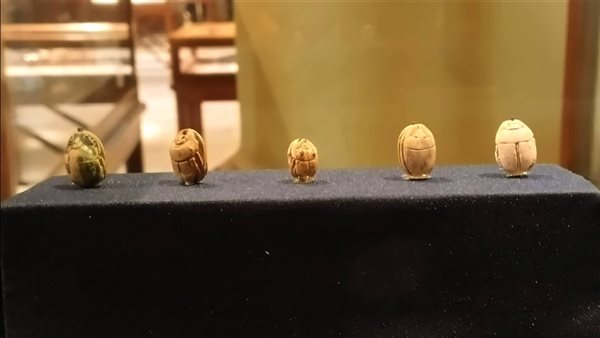
The Egyptian Museum in Tahrir receives its visitors with a unique piece of Queen Nefertari’s possessions, represented by the collection of royal scarabs, which reflects an important aspect of the culture of protection and reverence in ancient Egypt, within the framework of the temporary Nefertari exhibition at the Jamila al-Jamilat Rehab.
Scarabs…the magic of sacred symbols in the Queen Nefertari exhibition at the Egyptian Museum in Tahrir
The scarab or scarab represents one of the most famous religious symbols among the ancient Egyptians, as it was associated with the dung beetle (Scarabaeus sacer), which was famous for rolling balls of dung to hide its eggs inside, a behavior that the ancient Egyptians saw as an embodiment of the miracle of creation, resurrection, and renewed sunrise. Therefore, the scarab was associated with the god Khepri, the symbol of the morning sun and the god of creation in Egyptian mythology.
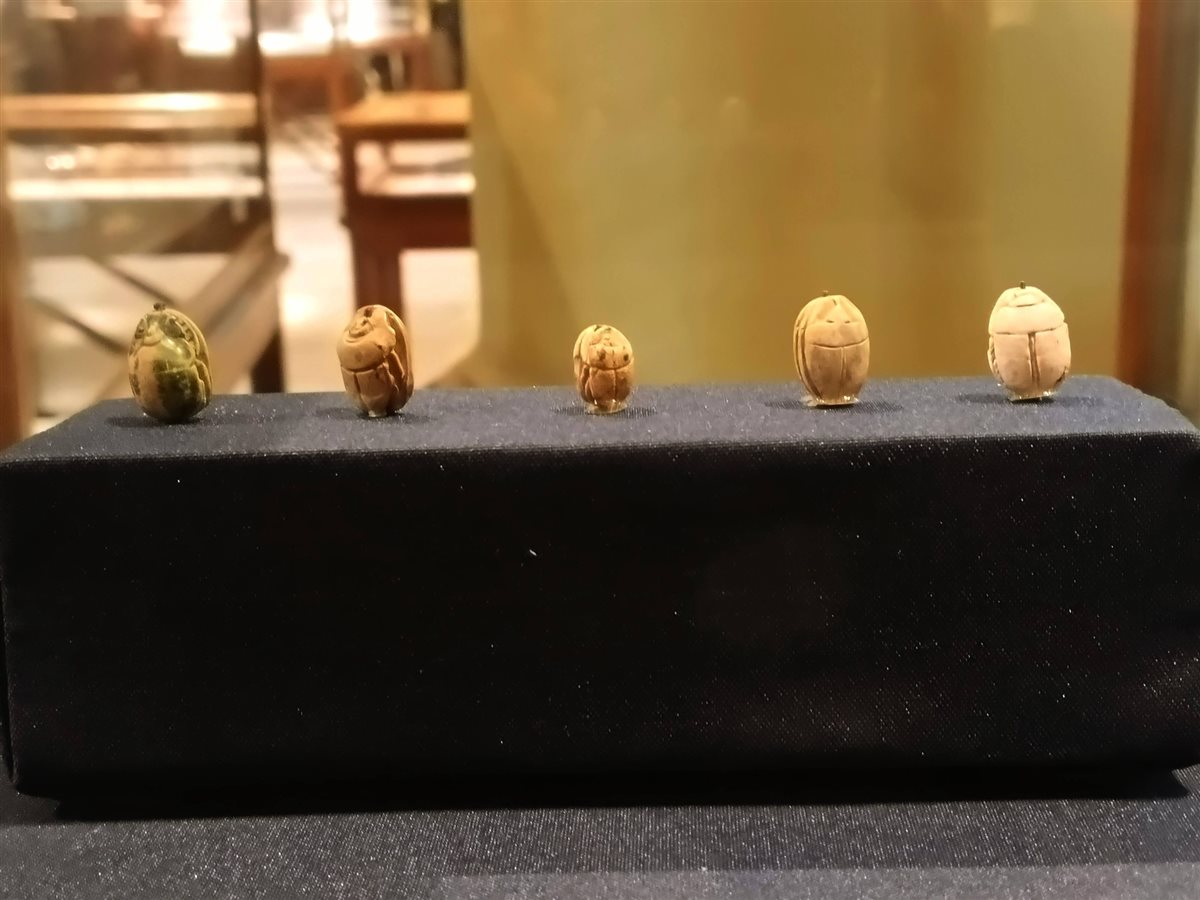
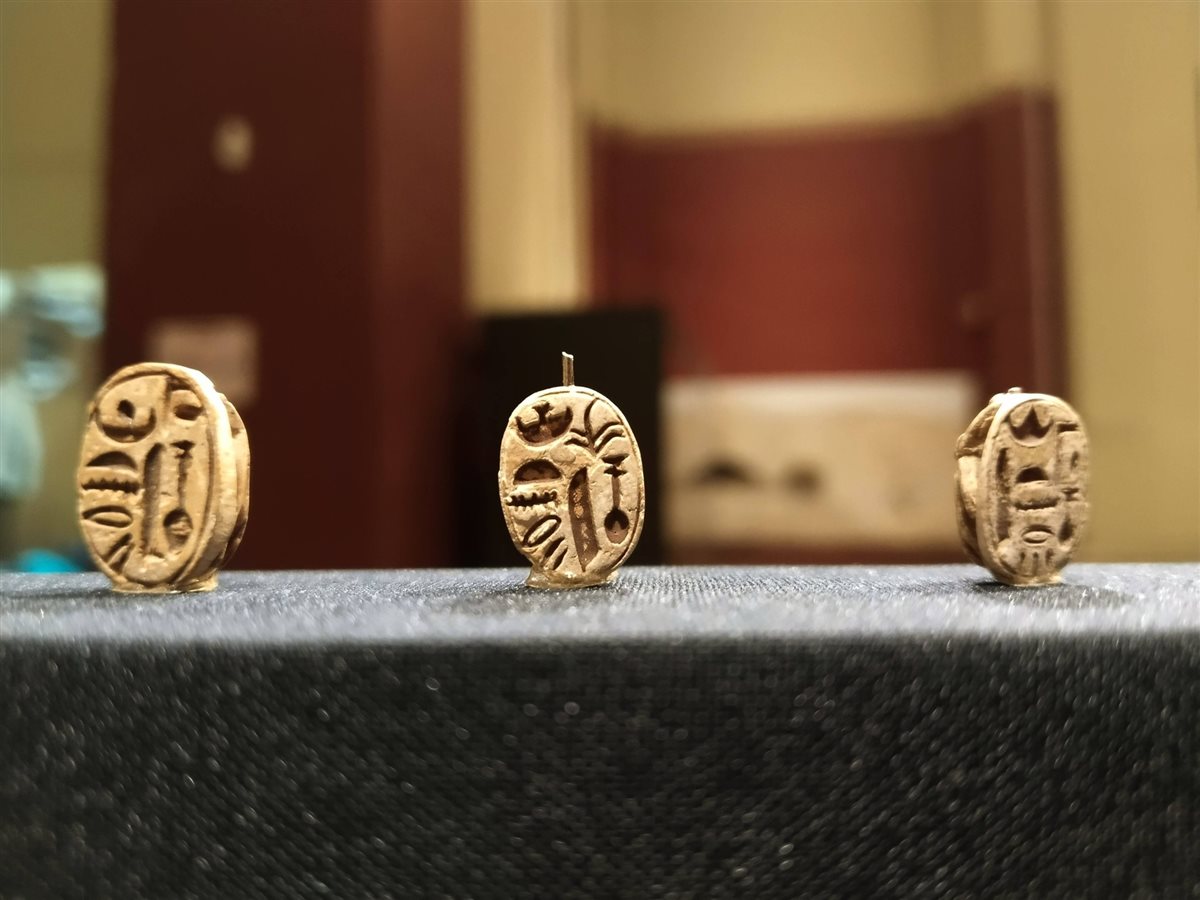
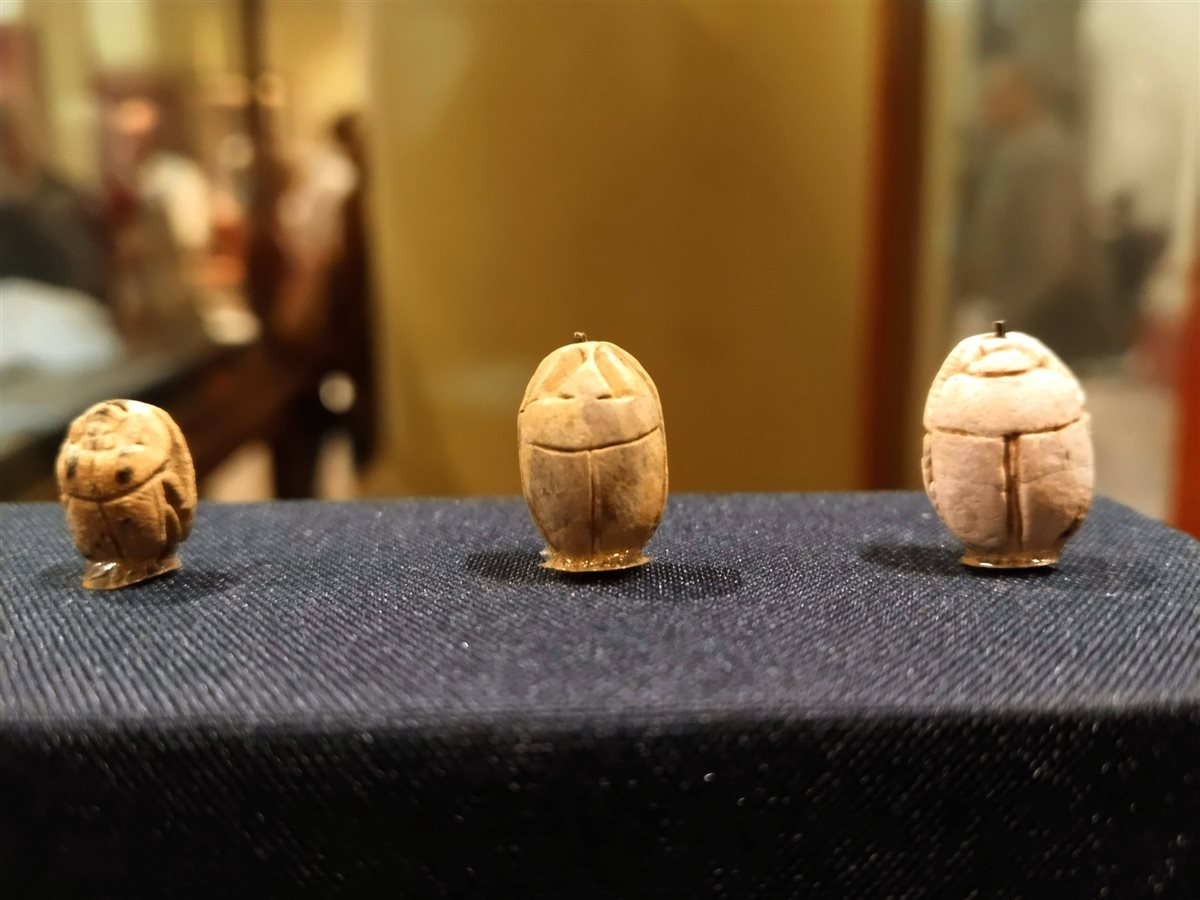
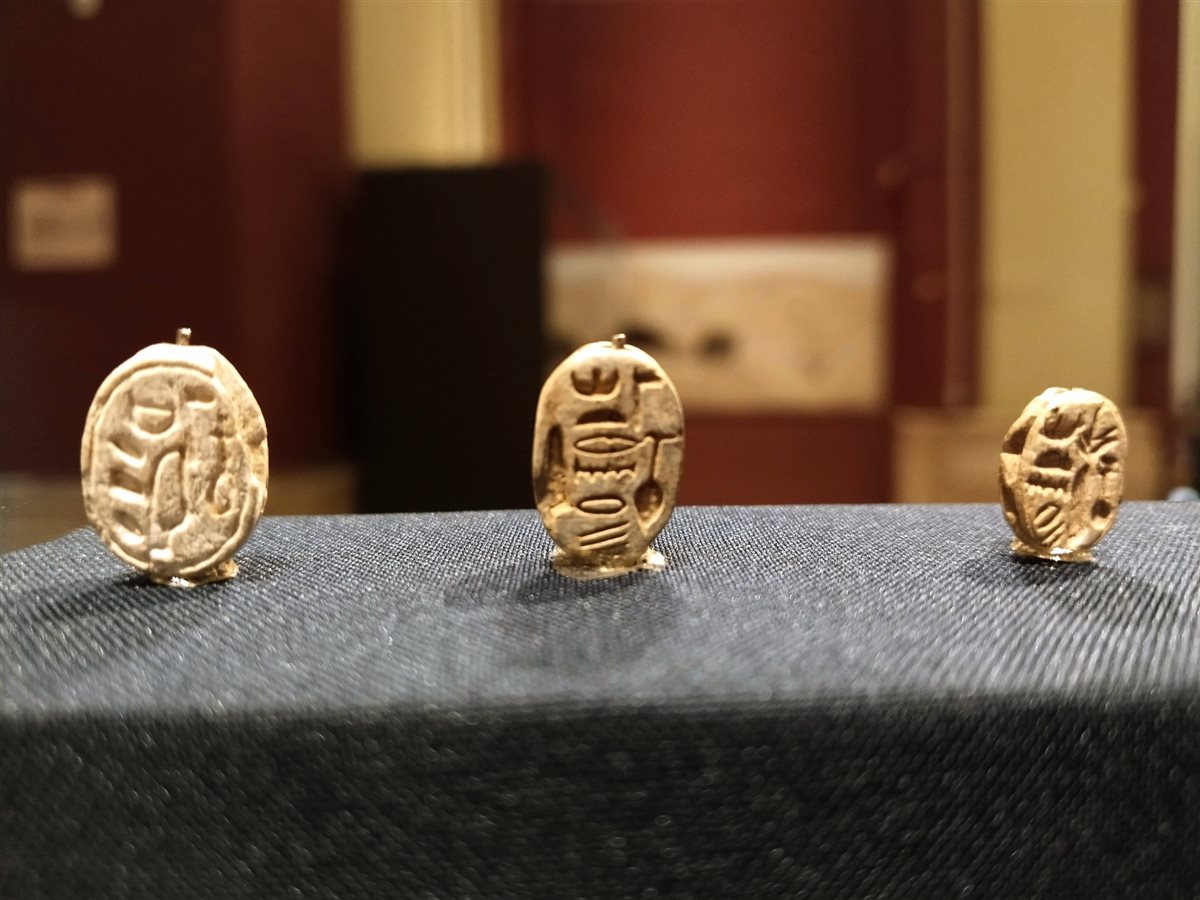
Scarabs played multiple roles in daily and religious life. They were protective amulets for protection, and were used as official seals bearing the names of kings, in addition to being ornaments and personal adornments.
In the world of the dead, the heart scarab occupied a special place, as it was placed inside mummies to ensure a fair ruling in favor of the deceased in the court of Osiris.
These scarabs date back to the era of the New Kingdom, the Nineteenth Dynasty, and are made of precious materials, most notably hard stones and faience, which reflects the ingenuity of Egyptian craftsmen in shaping sacred symbols with the utmost precision and beauty.
The Nefertari Exhibition – in the Rehab of Jamila Al Jamilat in the 7th upper gallery of the Egyptian Museum in Cairo, continues until next February 28, giving the public a rare opportunity to see these royal pieces up close and explore the world of the queen who was immortalized in history as one of the most beautiful women of ancient Egypt.