


With the third day of fasting, the body begins to adapt to the lack of fluids, but many fasting people notice an increased feeling of…Thirst Compared to the first two days.
The reason is not only related to the number of hours of fasting, but also to the type of food we eat at breakfast and suhoor.
Choosing the best thirst-quenching foods on the third day of fasting can make a big difference in your comfort and energy levels throughout the day.
The best foods to prevent thirst on the third day of fasting
Dr. Ahmed Sabry, a nutrition and body sculpting specialist, revealed, through exclusive statements to Sada El Balad, the most important foods that help you reduce thirst and keep your body hydrated for as long as possible.
Why does thirst increase on the third day of fasting?
In the first days, the body relies on fluid and energy stores, but with the passage of 48 to 72 hours, the internal balance begins to change. If fluids are not replaced properly between iftar and suhoor, thirst becomes more apparent. Eating salty or sugar-rich foods also increases water loss and increases the feeling of dehydration.
Cucumber is one of the best thirst quenching foods
Cucumber contains a very high percentage of water, so it is considered one of the best foods to quench thirst on the third day of fasting. It is also rich in fiber, which helps digestion without burdening the stomach. It can be added to a salad dish at breakfast or eaten at suhoor with yogurt.
Yogurt and curd
Yogurt is one of the most important foods that keeps the body hydrated because it contains water, protein, and beneficial bacteria that improve digestion. Eating it at suhoor helps reduce the feeling of thirst during the day. You can add a spoon of honey or some pieces of fruit to get greater benefit.
Watermelon is the first hydration fruit
If it is available in season, watermelon is an ideal choice on the list of the best foods to quench thirst on the third day of fasting. It contains a large percentage of water and natural salts that compensate the body for what it loses. It is preferable to eat it two hours after breakfast instead of heavy sweets.
Oats are an energy source that prevents dehydration
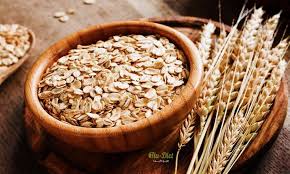
Although not as rich in water as fruits, oats contain fiber that slowly absorbs water into the body, which helps retain fluids longer. Eating it at suhoor with milk gives a feeling of fullness and reduces thirst.
Fruits rich in water
Oranges, apples, and pears are fruits that support body hydration and contain important vitamins. Including it in the suhoor meal or as a snack after breakfast helps reduce the feeling of dehydration.
Leafy vegetables

Lettuce and spinach contain a good percentage of water in addition to important minerals such as potassium, which helps balance fluids within the body. A balanced salad for breakfast is an important step to resist thirst.
Foods to avoid on the third day of fasting
To benefit from the best foods to prevent thirst on the third day of fasting, you must also avoid some foods that increase the problem, such as:
Pickles and salty foods
Heavy fries
Sugar-rich sweets
Soft drinks
These foods increase water loss and increase the feeling of thirst the next day.
Additional tips to reduce thirst
- Distribute your water intake between iftar and suhoor instead of drinking a large amount at once
- Start breakfast with dates and water, then wait a little while before the main meal
- Avoid drinking large amounts of coffee at night because it increases fluid loss
- Make sure to have a balanced suhoor rich in fiber and protein