

Tuesday 30/December/2025 – 09:30 PM
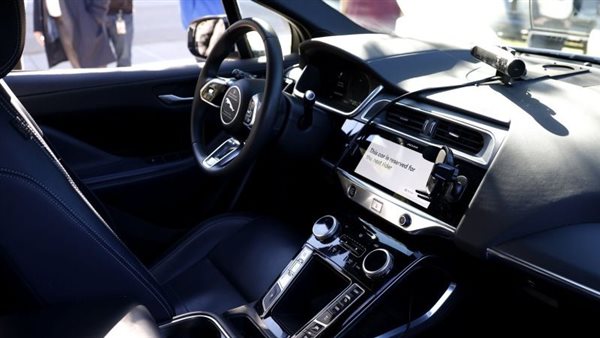
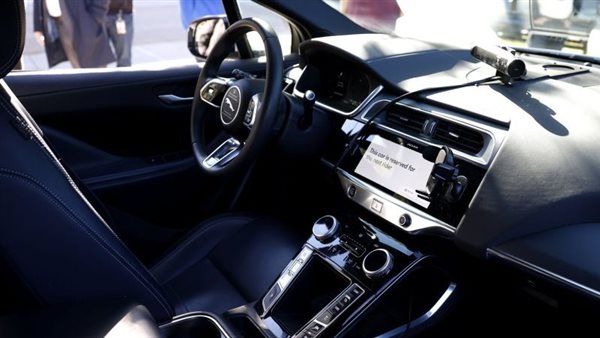
Chinese researchers tested the possibility of using passengers’ brain activity to improve the performance of autonomous driving systems in dangerous situations the study To help cars make safer decisions when faced with unexpected or risky situations, according to what was published in upi.
Monitoring passengers’ brain activity may improve the safety of self-driving vehicles
The team used non-invasive functional near-infrared spectroscopy (fNIRS) technology, which monitors brain activity related to stress, emotions and risk perception in real time. When the system detects elevated levels of stress in occupants, the car automatically switches to a more cautious driving style.
The lead author of the study, Xiaofei Zhang, a professor at Tsinghua University in Beijing, explained that the new system uses an intelligent algorithm based on enhanced deep learning, to improve the speed of decision-making and public safety, while taking into account human reactions.
Tests showed that the system outperformed traditional self-driving methods in terms of safety, comfort, and learning speed. But the researchers pointed out that the experiments were limited in terms of driving scenarios and age groups of participants, which calls for more research to confirm the results in more complex and realistic situations.