

Wednesday 31 December 2025 – 03:47 PM
Communicate the Ministry electricity Renewable energy is implementing its national and regional strategy according to a clear vision based on a comprehensive and integrated plan, which aims to meet development needs for electrical energy, raise the efficiency of the energy system, improve the performance and operation rates of generation plants, in addition to reducing fuel consumption and finding practical solutions to reduce both types of losses.
The Ministry’s policy is based on diversifying energy sources, maximizing the use of renewable resources, and improving the efficiency of production and use, as well as future planning to keep pace with the increasing growth in energy demand, while adhering to the highest quality standards in performance and services.
The harvest of the electricity and renewable energy sector during the year 2025
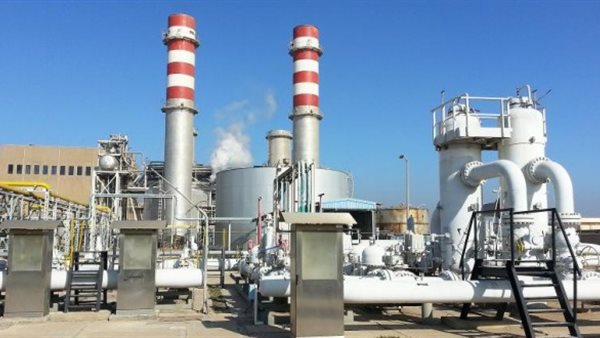
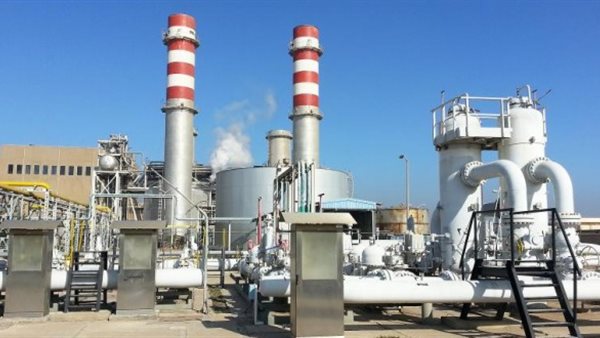
During the year 2025, the electricity and renewable energy sector achieved tangible achievements in terms of strengthening the national grid, as new generation capacities of about 32 gigawatts were added, and 25 transformer stations were established with a total capacity of 42.37 thousand megavolt amperes. The transport network also witnessed the laying of lines with a length of 5,610 km, in addition to the implementation of expansion and development works in the distribution network with a length of 194,000 km.
These projects contributed to the rapid transformation from a deficit of about 6,000 megawatts to achieving a reserve and surplus of approximately 20,000 megawatts of generation capacity, with total investments amounting to about 2 trillion pounds.
In the context of improving operating efficiency and reducing fuel consumption, the Ministry adopted a new plan for the electrical network’s operating mode, supported by the latest technologies and technological systems, in addition to intensifying field tours and continuous follow-up. These measures succeeded in reducing dependence on conventional turbines by more than 19 gigawatts, bringing the total conventional capacity to 49 gigawatts instead of 69 gigawatts.
The sector achieved savings in fuel consumption amounting to about 1,854 million cubic meters during the past year, with a financial value estimated at about 40.4 billion pounds, which supports the expansion of the use of clean energy and environmental preservation.
This was reflected in a reduction in the rate of fuel consumption used to produce the power unit, from more than 180 grams per kilowatt hour to less than 170 grams per kilowatt hour, in a step that enhances the efficiency and sustainability of the electrical system.