
Friday 17/April/2026 – 02:59 PM
Alaa Nasr El-Din, First Undersecretary of the Chamber of Wood and Furniture Industry at the Federation of Egyptian Industries, called for reactivating the tree forest expansion project, stressing the need to move it from discussions to actual implementation, especially after it was put forward in 2022 without achieving tangible progress.
Chamber of Furniture Industry: Wood prices increased from 22 thousand pounds to 27 thousand pounds
He explained that the state has already taken initial steps by planting a number of forests in some governorates, most notably Minya, but these efforts are still below the level of the ambitions of the industrial sector, which aims to reduce dependence on imports and meet the needs of the local market, in addition to opening export horizons for regional and international markets. He stressed the importance of adopting an integrated vision that brings together government agencies and the private sector to ensure the development of this vital file.
Nasr El-Din pointed out that the wood industry in Egypt faces a structural challenge represented by limited sources of supply globally, in light of almost complete dependence on imports, which reduces the flexibility of companies in the face of fluctuations, especially in times of crisis.
He added that the concentration of timber production in a limited number of countries increases the sensitivity of the local market to any disruptions in supply chains or international trade.
He pointed out that the Egyptian market depends mainly on wood imports from countries such as Russia, Finland, Sweden, Romania, and Croatia, which deepens the external dependence gap.
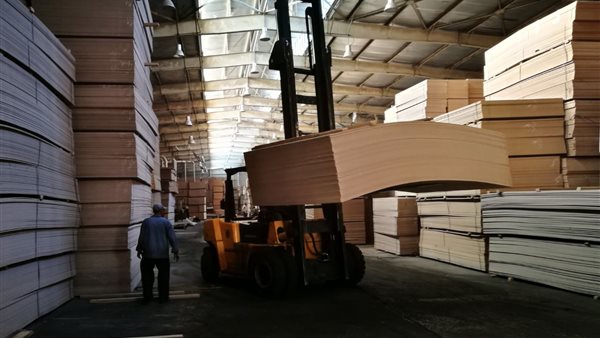
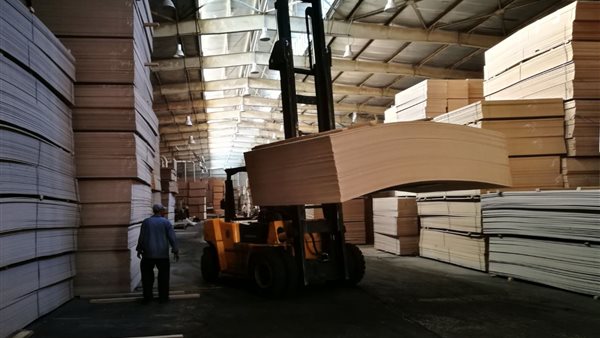
Regarding prices, he explained that the market witnessed noticeable increases, as the price of a meter of wood increased from about 22 thousand pounds to 27 thousand pounds, and the prices of plywood also increased by about 30%.
The increases extended to production requirements, most notably sponge and paint materials, which recorded increases exceeding 100%, which imposes additional pressure on the cost of production and the competitiveness of the sector.