
Tuesday 14/April/2026 – 02:40 PM
The Directorate of Supply and Internal Trade in Fayoum Governorate launched extensive monitoring campaigns that resulted in the seizure of large quantities of gas cylinders and petroleum materials before they were smuggled and sold on the black market, as part of the state’s efforts to tighten control over the markets.
349 gas cylinders and thousands of liters of fuel were seized before being sold on the black market in Fayoum
The campaigns came in implementation of the directives of Dr. Sherif Farouk, Minister of Supply and Internal Trade, and Dr. Mohamed Hani Ghoneim, Governor of Fayoum, to tighten control and confront the monopoly of goods and price manipulation.
Seizures
Engineer Juma Abdel Hafeez, Undersecretary of the Ministry of Supply, explained In FayoumThe campaigns were able to seize 349 gas cylinders of different sizes, 318 small cylinders (12.5 kg) and 31 large cylinders (25 kg), inside a warehouse before they were put on the black market, with reports issued to violators.
Quantities of petroleum products were also seized, including:
- 639 liters of 92 gasoline at one of the gas stations in Kom Oshim – Tamiya Center
- 5096 liters of solar at a gas station in Tarsa village – Sennurs Center
- 1,767 liters of diesel at a gas station in Kom Oshim – Tamiya Center
The necessary reports were issued and legal measures were taken against violators, in addition to 3 reports being issued for gas depots for not announcing prices.
The Undersecretary confirmed that samples of petroleum products were taken to examine and ensure their quality, and a visit was made to the gas filling station in Kom Oshim to review the weights of the cylinders and calibrate the scales.
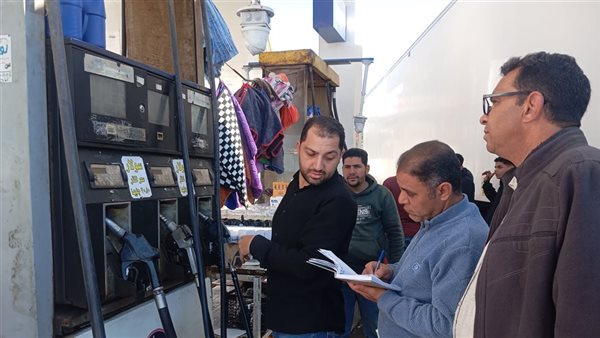
The campaigns also included following up on tourist bakeries, fava beans and falafel restaurants, supermarkets, subsidized flour warehouses and gas stoves, in addition to inspecting gas stations to review licenses and records and ensure compliance with official prices.
We also visited butcher shops, markets, and grocery stores, especially fruit and vegetable markets, to control prices and ensure the availability of goods to citizens.
Part of the inspection campaigns