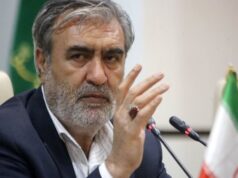



Dr. Osama Al-Azhari, Minister, confirmed EndowmentsDuring his speech at the opening session of the second global symposium of the General Secretariat of Fatwa Houses and Bodies in the World, which comes under the title: “Fatwa and Issues of Human Reality…Towards Rational Ijtihad that Keeps pace with Contemporary Challenges,” he said that this symposium represents an authentic forum for thought and consideration, and touches on a very important axis in the formation of the jurist and mufti, which is expanding the horizon of consideration of Sharia and thought, and how to convey the lights of guidance to Humans, which obliges those who issued the fatwa to make a sober scientific effort based on studying multiple sciences, and not being satisfied with the limits of one science.
The Minister of Endowments referred to what Imam Al-Shafi’i decided when he said that he stayed with the people for twenty years before speaking about jurisprudence, a clear indication that the true jurist does not stop at the limits of abstract jurisprudential rulings, but rather penetrates with his insight into the conditions of the people, their reality, their livelihood, and the transactions, interactions, and sciences that take place in their lives. These are the areas that impose themselves on contemporary jurisprudential research, and require precise awareness of the effects of the Sharia rulings on the lives of people. People, in a way that enables the jurist to extract the legal ruling well and apply it in a correct manner that takes into account the objectives and outcomes.
The Minister of Endowments explained that this meaning was practically embodied in the approach of the senior followers, citing Ikrimah, the servant of Ibn Abbas, may God be pleased with them both, who used to listen to people’s conversations in the markets and live with their reality, thus opening the doors of jurisprudence to him, and the images of facts and patterns of dealing were revealed to him, so he linked the texts of revelation with an understanding of reality. He drew attention to the fact that Ikrimah’s deep awareness of people’s conditions made him a respected authority, to the point that Al-Hasan Al-Basri would stop issuing fatwas if Ikrimah came to Basra. In appreciation of his experience with reality and his knowledge of the conditions of creation.
His Eminence also recalled what Imam Ibn al-Jawzi stated in his book “The Hunt of Thoughts,” regarding the necessity for the jurist to familiarize himself with people from various arts. Because jurisprudence is not separated from the rest of the sciences, but rather derives from them the tools of understanding and the breadth of perception, which opens broader horizons for comprehending and transmitting texts. He stressed that Al-Khatib Al-Baghdadi clearly stated this meaning when he stressed that knowledge of benefit, harm, and current customs is only achieved by mingling with people, studying, studying science, and continuous reading.
In a related context, Professor Dr. Osama Al-Azhari appreciated the objectives of the symposium, describing them as rational and sound objectives, which succeeded in realizing the dimensions of contemporary fatwas and their roles in confronting current challenges, and linking them to issues of sustainable development, community solidarity, indicators of emergency fatwas, and fatwa-making in light of the purposes of Sharia, as well as addressing the problems of poverty and hunger, highlighting the legal dimension of the Palestinian issue, promoting the values of humanitarian prevention, and consolidating Ethical environment.
The Minister of Awqaf concluded his speech by emphasizing that the symposium succeeded in consciously linking legitimate objectives with confronting realistic challenges. Asking God Almighty to grant success to those in charge of it and those participating in it, and to preserve Egypt and its people, to preserve free and proud Palestine, and to protect its honorable people.