

Friday 06/February/2026 – 10:25 AM
The library of the Egyptian Museum in Tahrir is considered one of the most important scientific and cultural edifices specialized in archaeology and Egyptology. It represents a unique knowledge center that contains rare records and manuscripts on its shelves documenting the stages of establishing Egyptian archaeology and its most prominent major discoveries.
The Egyptian Museum Library tells the story of Egyptology from the heart of history
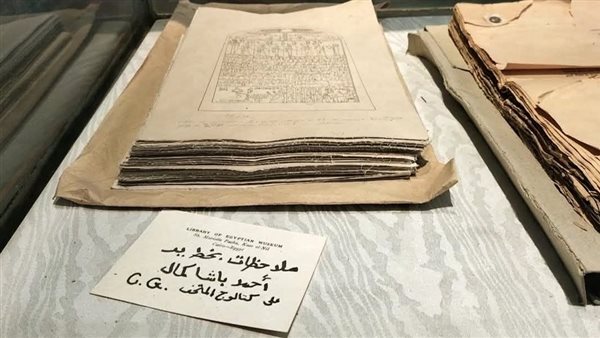
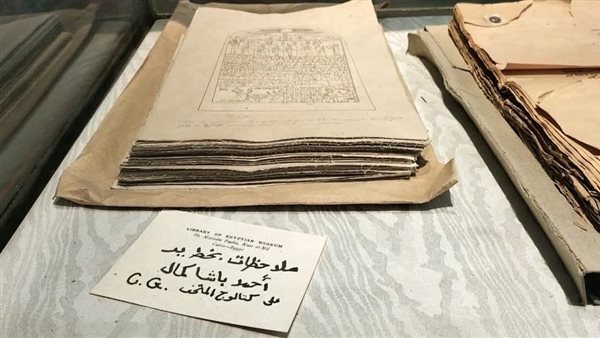
The management of the Egyptian Museum in Tahrir said in a statement that the importance of the library is not limited to being a storehouse of books, but rather it is a treasury of secrets for researchers and students of history, and a major destination for everyone who seeks to understand the roots of Egyptian civilization from its original sources. The library includes valuable scientific holdings, including the handwritten notes of Ahmed Pasha Kamal, the first Egyptian Egyptologist, which reflect his pioneering efforts in preparing the Egyptian Museum’s catalog and his specialized studies on Ptolemaic paintings and offering tables from the Middle Kingdom until the Roman era, in addition to volumes. Rare and scientific research that contributed to shaping the features of modern archaeological research.
The library also provides a rare opportunity to view original excavation records and historical maps that have not been widely published, making it an essential reference for researchers and specialists, and an important platform for supporting academic studies and developing scientific research in the field of heritage.
Visiting the Egyptian Museum Library represents an exceptional cultural and cognitive experience, as the visitor not only reads history, but touches it through original documents drafted by the pioneers of Egyptology, which enhances awareness of the value of national heritage, and confirms the role of the library in preserving the cultural memory of Egypt and transmitting it to future generations.