

Saturday 07/February/2026 – 01:36 PM
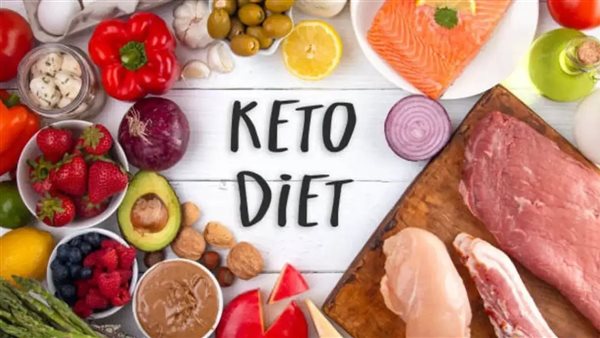
The keto diet is known as a low-fat diet Carbohydrates And high in fat, it is commonly used to lose weight. Although it may be useful for a short period, doctors and nutrition experts warn against following it for a long time. Reducing carbohydrates and increasing fat intake leads to a state of ketosis, which is a metabolic state in which the body relies primarily on fats as an energy source instead of carbohydrates. There are many risks involved in this diet, and the following are serious side effects of following the keto diet, according to what was published in Times Now.
What is the keto diet?
The ketogenic diet relies on consuming very small amounts of carbohydrates and replacing them with fats to help the body burn fat as an energy source. Its health benefits include weight loss and a reduced risk of developing some diseases. Ketosis is a metabolic state in which the body uses ketones as an energy source instead of glucose. This is usually the result of low carbohydrate consumption. Although ketosis is often associated with weight loss and blood sugar control, it may also cause a range of side effects.
It causes shock to the body
Carbohydrate intake on the keto diet is limited to less than 50 grams per day, which may cause shock to the body. As the body depletes its stores of carbohydrates and switches to using ketones and fats as an energy source at the beginning of this diet, you may suffer from flu-like symptoms, such as headache, dizziness, fatigue, nausea, and constipation.
It leads to severe dryness
Dehydration is one of the most common early side effects of ketosis, and although it is usually short-term and treatable, many people experience a lack of water in their bodies during ketosis due to changes in electrolytes that affect hydration. Research indicates that the kidneys may excrete a greater amount of sodium than usual during the period from day two to day six of ketosis, and you may experience dry mouth, headache, and dizziness.
You may also experience constipation while on the keto diet due to the drastic changes in diet, and constipation may simply be caused by your calorie and fiber intake, or stomach pain.
It causes a deficiency of nutrients
The keto diet restricts the intake of many foods, especially nutrient-rich fruits, whole grains, and legumes, as they may not provide the recommended amounts of vitamins and minerals. The keto diet does not provide enough calcium, vitamin D, magnesium, and phosphorus, which leads to nutrient deficiencies that show various symptoms.
Eating only carbohydrates may have a direct effect on blood sugar levels, so significantly reducing carbohydrate intake while following the keto diet may cause hypoglycemia, or low blood sugar levels. Low blood sugar is a particular concern for diabetics, and some symptoms include feeling nervous, constant hunger, fatigue, dizziness, increased heart rate, and frequent headaches.