

Tuesday 13/January/2026 – 11:41 PM
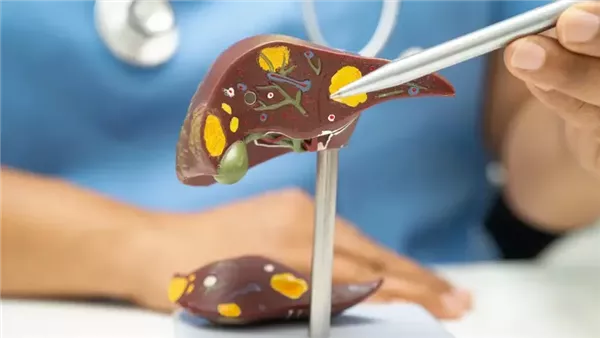
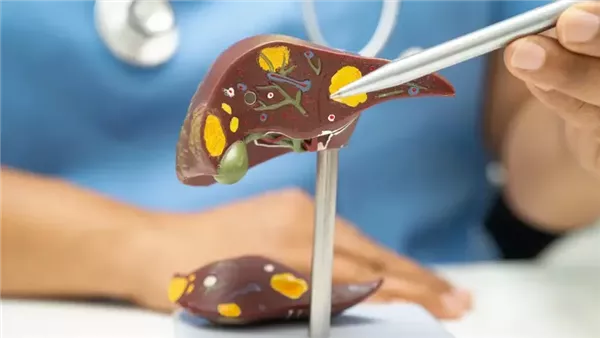
Scientists have warned that exposure to permanent chemicals, known as PFAS, may pose a significant risk to the health of adolescents, as a recent study showed that levels of these substances in the blood are directly linked to an increased risk of developing the disease. Fatty liver Associated with metabolic dysfunction.
Permanent chemicals linked to serious liver disease in teens
PFAS substances are found in non-stick cookware, fast food packaging, waterproof clothing, cosmetics, and shampoo, and they do not decompose easily, which makes them remain in the environment for many years and reach our bodies through food, water, and air.
The researchers analyzed data from 284 teenagers and young adults from Southern California, where participants had their blood tested to measure PFAS levels, with an MRI of the liver to measure fat accumulation.
The results showed that teens with the highest levels of PFOA and PFOA were three times more likely to develop MASLD than their peers who were less exposed to these substances.
Genetic factors, such as the PNPLA3 GG mutation, have also been shown to increase the risk of fat accumulation in the liver, making adolescence a critical stage for exposure to these chemicals.
Risks of MASLD
Fatty liver disease associated with metabolic dysfunction often goes unnoticed, but it may lead to:
Liver cirrhosis
Cirrhosis of the liver
Heart disease
Liver cancer
MASLD is the second most common reason for liver transplantation in the United States, and is expected to become the number one reason within the next decade. Studies indicate that people with this disease may live about 2.8 years less on average than those without it.
Risk reduction
Despite these troubling results, there is good news:
Follow a healthy diet
Increase physical activity and lose weight
Limit exposure to PFAS
All of these factors contribute to preventing or even reversing liver damage, especially when the problem is detected early.
If we reduce exposure to PFAS early on, we may help prevent liver disease later on, said Dr. Leda Chatzi, professor of population sciences and public health. “This is a powerful public health opportunity.”