Friday 26 December 2025 – 01:10 PM
Dr. Mahmoud Hamed Al-Hosary, Associate Professor of Archeology and Ancient Egyptian Language at New Valley University, commented on the discovery of the tomb of King Thutmose II in the Valley of the Monkey Cemetery, west of Luxor, as it is considered one of the most important archaeological discoveries in recent years, because it carries historical and scientific implications that re-shed light on a pivotal stage in the history of the modern Egyptian state.
Discovery of the tomb of Tuthmosis II
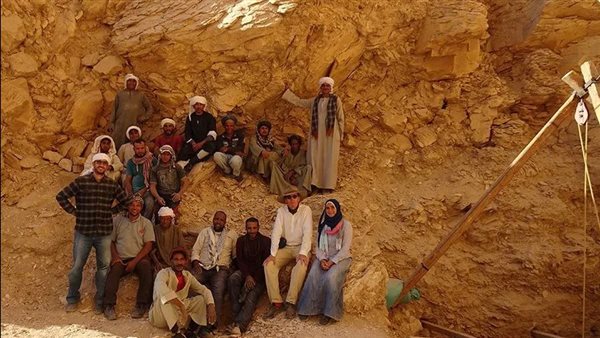
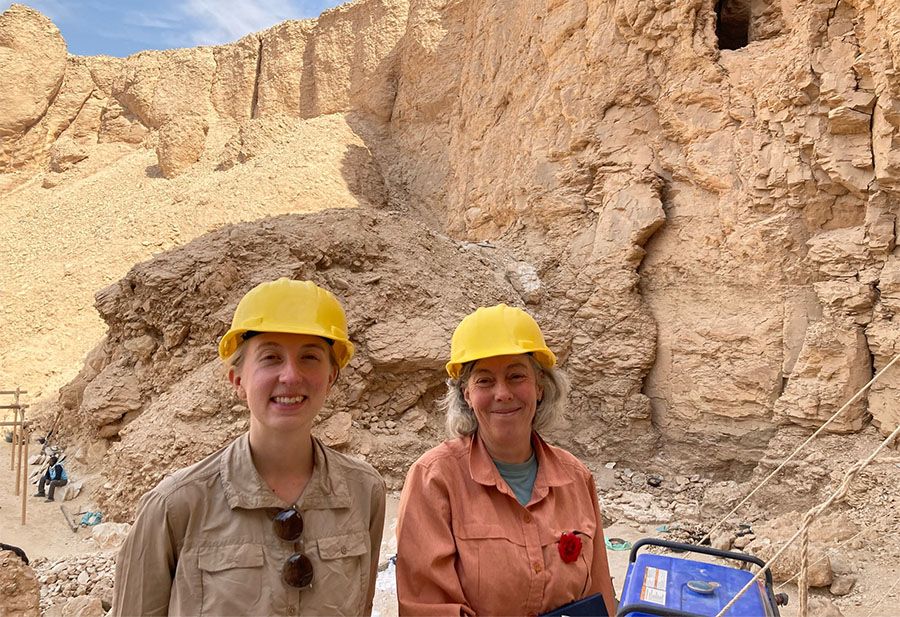
The Associate Professor of Archeology and Ancient Egyptian Language at New Valley University said, in exclusive statements to Cairo 24, that the archaeological discovery came as a result of systematic excavations led by a joint Egyptian-British archaeological mission that began in 2022, noting that the official announcement of the identity of the tomb’s owner was not made until 2025 after the completion of careful studies and analyzes of the inscriptions and archaeological finds discovered inside the site.
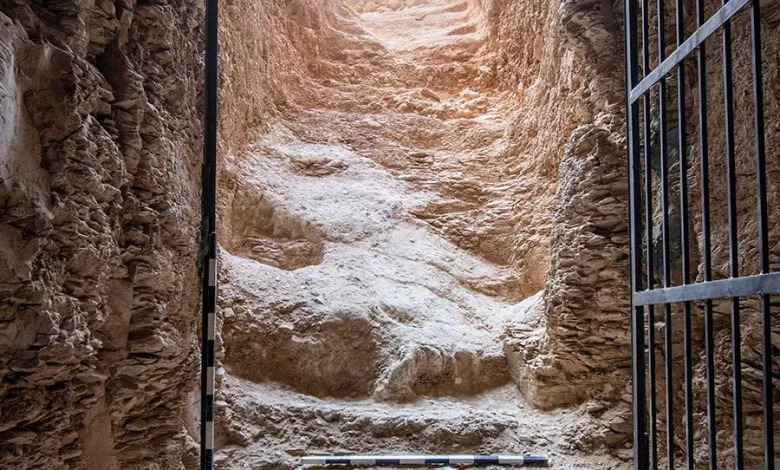
He explained that the cemetery belongs to King Tuthmosis II, who ruled Egypt between 1493 and 1479 BC, and contributed to establishing the foundations of the era of the Egyptian Empire through his military campaigns in the Levant and Nubia, pointing out that the cemetery remained unknown for more than 3,500 years due to the rugged nature of the region and its impact on frequent floods.
The doctor added that the identity of the tomb was confirmed by finding alabaster vessels inscribed with the king’s name and royal titles, including the title of “Horus the Strong,” in addition to inscriptions clearly referring to Queen Hatshepsut, his wife and sister, in the context of funeral rituals, which reflects her prominent role in supervising the burial ceremonies, especially with the young age of the legitimate heir Thutmose III at that time.
He pointed out that although the mummy or the royal coffin were not found, as a result of the tomb being exposed to violent floods that destroyed large parts of it, the archaeological remains of wall decorations and pottery and alabaster fragments provided a clear picture of the royal funerary rituals at the beginning of the Eighteenth Dynasty.
He stressed that the remaining wall decorations revealed passages from the texts of the other world, most notably the book “Al-Imi Duat,” which explains the king’s journey in the underworld and his union with the god Ra, reflecting the ancient Egyptians’ beliefs in resurrection and eternal life. He explained that the condition of the cemetery highlights the great challenges facing the preservation of archaeological sites in areas exposed to natural disasters.
Regarding the importance of the discovery, Dr. Al-Hosary explained that the tomb of Thutmose II is considered the last of the almost completely lost royal tombs of the 18th Dynasty, and represents a missing link in understanding the development of the royal burial system before the era of Hatshepsut and Amenhotep III. It also reveals alternative burial practices outside the Valley of the Kings, perhaps for security or ritual reasons.