

Tuesday 27/January/2026 – 11:55 PM
A 52-year-old British man is in a tough fight for his life, after suffering extremely serious health complications, which are believed to have followed a routine implant replacement procedure. teethwhich ended with a series of complex heart surgeries and his placement in an induced coma, according to what was published in The Sun.
A Briton struggles with death after serious complications due to dental fillings
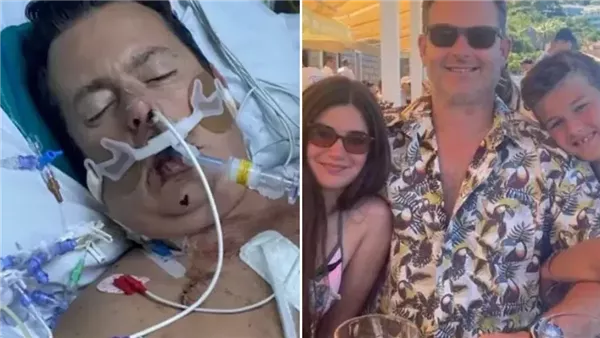
James Molloy, a resident of Gloucestershire, underwent a dental procedure last November, which his family described as simple, before his health condition suddenly deteriorated weeks later, and he was transferred in January to a hospital specializing in heart disease in a critical condition.
According to the family’s account, it is suspected that a common bacteria known as Staphylococcus aureus entered Mawlawi’s bloodstream, attacking his heart valve, which had previously been replaced during a previous heart surgery performed on him in June 2025, after he suffered from type A aortic dissection, a life-threatening condition with a high mortality rate.
This bacteria is one of the types that may live harmlessly on human skin, but it may turn into a fatal infection if it reaches the blood or heart, especially in patients with previous heart problems.
The father of two children, Yasmine, 17 years old, and Edward, 15 years old, underwent a grueling surgery that lasted about 18 continuous hours, in which five surgeons participated, in an attempt to save his life after his condition deteriorated sharply, amid medical warnings of the possibility of death.
During the surgery, doctors had to install three new heart valves, an artificial aortic stump, several heart patches, and a pacemaker.
Although he miraculously survived the operation, Mawlawi is still in an induced coma, and suffers from severe complications, including temporary kidney failure that requires dialysis, in addition to respiratory problems that caused one of his lungs to collapse after an attempt was made to disconnect him from the ventilator.
His brother William said the family was not aware that dental procedures could pose a risk to heart patients, explaining that there is a discrepancy between the opinions of cardiologists and dentists regarding the need to take preventive antibiotics before or after some dental procedures.
He added: “He was warned about the dangers of stress and high blood pressure after his first surgery, but no one told us that dental treatment could be a gateway to a serious heart infection.”