
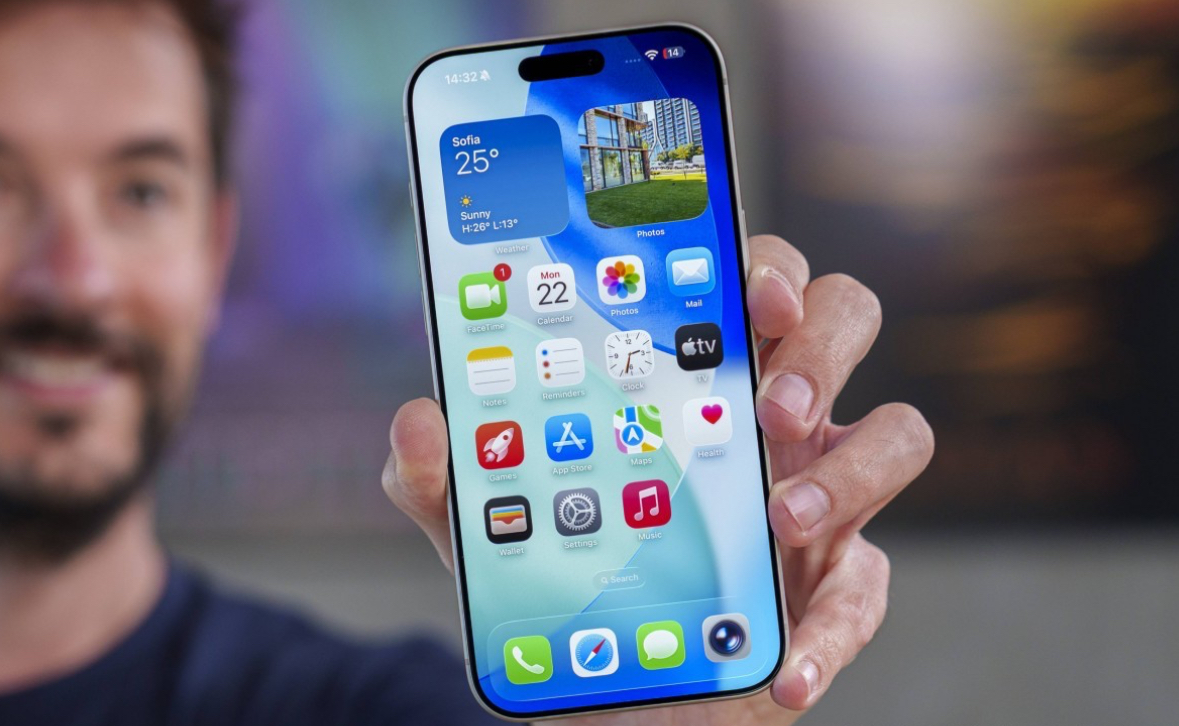
After more than 14 years, Apple has managed to seize the lead in the global smartphone market, surpassing Samsung, according to preliminary data issued by IDC. The figures showed that 336.3 million smartphones were shipped during the fourth quarter of 2025, recording a growth of 2.3% compared to the same period in 2024.
Apple topped the scene during this quarter after shipping 81.3 million phones, capturing a market share of 24.2%. This strong performance was driven by the great success of the iPhone 17 series, which contributed to achieving the highest quarterly revenues in the company’s history, along with the best growth in the fourth quarter since 2021.
In contrast, Samsung fell to second place, but ended the year with a strong performance, with 61.2 million phones shipped and a market share of 18.2%. The Korean company achieved annual growth of more than 18%, which is the highest among the five major companies.
Xiaomi came in third place with 37.8 million phones shipped and a market share of 11.2%, followed by Vivo with 27 million units shipped, then Oppo with 26.9 million units, sharing fourth place.

Despite persistent challenges, such as memory chip shortages, tariff-related economic pressures, and supply chain disruptions, the global smartphone market registered an overall annual growth of 1.9%. This growth was supported by continued strong demand for high-end phones, in light of expectations of rising prices.
Looking at the full-year numbers, total smartphone shipments in 2025 reached about 1.26 billion units, bringing Apple back to the lead again. The company succeeded in shipping 247.8 million phones, achieving a global market share of 19.7%, which means that one in five phones shipped in 2025 was an iPhone.
Samsung came in second place with 241.2 million phones shipped and a market share of 19.1%, with an annual growth of 7.9%. As for Xiaomi, it shipped 165.3 million units, while Vivo and Oppo recorded shipments of more than 100 million units each.
Looking ahead to 2026, IDC expects the market to change, as continued memory chip shortages are likely to lead to greater supply chain disruptions, with the market likely to decline as a result of an expected rise in phone prices.
The organization’s analysts believe that the size of companies and their ability to negotiate and secure components at reasonable prices will be a decisive factor in achieving success during the next stage.