
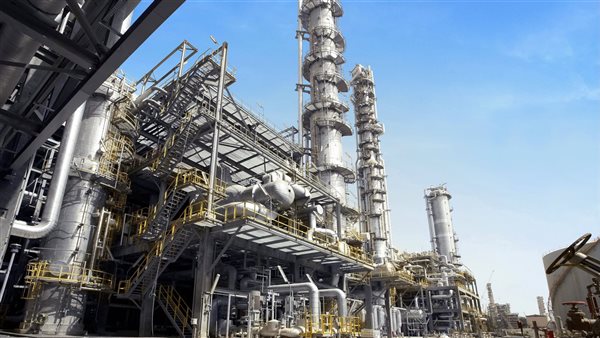
The petrochemical industry in Egypt is witnessing a qualitative transformation that places it at the heart of the industrial growth equation during the years 2025 and 2026, after it moved from the stage of limited expansion to a more profound path that depends on increasing production capacity, maximizing added value, and transforming natural resources into industrial products capable of competing in foreign markets.
Official indicators until January 2026 reveal a clear jump in production capabilities, driven by a huge investment package and strategic projects that redrew the map of this vital sector and opened the door to a broader regional role for Egypt in the petroleum and chemical industries.
Development of the petrochemical industry in Egypt
The petrochemical industry has imposed itself as one of the pillars of heavy manufacturing in Egypt, after the current production capacity reached approximately 4.5 million tons annually, with official directions to increase it by large proportions in the coming years. This transformation did not come in isolation from a broader trend to deepen local manufacturing and reduce dependence on imports, in parallel with better exploitation of natural gas and crude oil resources.
2025 is the year to restore the momentum of petrochemical production
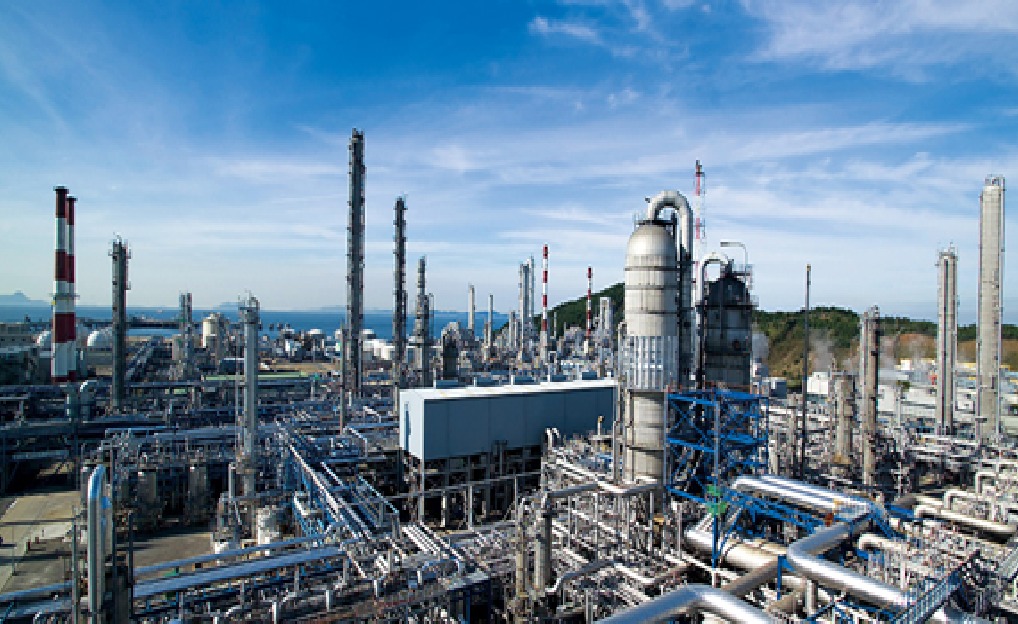
The year 2025 recorded a remarkable turning point, with the production of natural gas and crude oil stabilizing for the first time in four years, then entering a gradual upward path starting in August. This development contributed to adding about 1.2 billion cubic feet of gas, and more than 200 thousand barrels of crude oil and condensates to domestic production, which was directly reflected in reducing the import bill.
At the heart of this scene, the production of public sector petrochemical companies rose to about 4 million tons annually, achieving revenues of approximately 5.6 billion pounds during the fiscal year 2024-2025, in addition to penetrating various export markets in Latin America, Asia, and Europe.
Standard investments and strategic projects
Investments have entered an unprecedented stage, with allocations directed to the sector raised to about $8.7 billion during 2025-2026, a notable increase over previous periods. Existing projects worth close to $9 billion are also being implemented, in addition to a broader government plan to pump additional investments over the coming years.
Highlighted on this map is the petrochemical complex project in New Alamein City, which is considered one of the largest industrial projects of its kind, with a production capacity exceeding 3 million tons annually of specialized products used in multiple industries.
In the same context, the National Petrochemical Plan was launched, including a package of projects aimed at adding millions of tons of production capacity by 2035, with the introduction of dozens of new products that were not manufactured locally before.
Production and exports of petrochemicals jump
Data for recent years reflect a clear upward trajectory, with petrochemical production doubling compared to levels in the middle of the last decade, with production capacity expected to increase by up to 170% compared to current levels.
During 2025, petrochemical exports recorded record levels, driven by major products such as polyethylene and polypropylene, at a time when the chemical sector as a whole continued to achieve remarkable growth in exports, especially in fertilizers and intermediate products, and the announced plans aim to reach exports to higher levels within a short period, with doubling production within 5 to 10 years.
Direct repercussions on the Egyptian economy
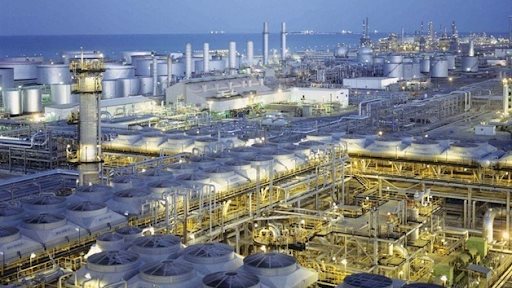
The boom in petrochemicals has enhanced the sector’s contribution to the overall economy, as it represents about 12% of industrial production and approximately 3% of the gross domestic product, with annual revenues in the billions of dollars. The expansion also contributed to reducing dependence on importing production inputs with an estimated value of about 8 billion dollars annually, which supported the balance of payments and enhanced self-sufficiency.
The impact extended to the labor market and international partnerships, with large foreign investment flows, which were reflected in growth rates during the first quarter of the fiscal year 2025-2026, supported by a strong increase in chemical industry activity.
Attention is turning to 2026 as a new expansion station, with additional investments being targeted in the chemical industries, and a focus on expansions related to fertilizers and basic chemicals. The plans include drilling dozens of new exploratory wells, within a program extending over several years, aiming to secure the industry’s needs for raw materials.
In the medium term, the national plan aims to add millions of tons of production capacity, with remarkable growth in major products such as ethylene and polyethylene, which supports continued export momentum and stable growth rates.
Egypt is on the cusp of a regional center for petrochemical industries
The current boom in the petrochemical industry reflects Egypt’s transition to a more advanced stage in the path of economic diversification and deepening industrialization, and with the availability of investments, the multiplicity of projects, and the expansion of export markets, the sector’s position is consolidated as one of the main growth engines. The most prominent challenge remains related to the industry’s ability to adapt to increasing global regulatory and environmental requirements, ensuring the sustainability of this success and maximizing its returns in the long term.