
Facebook will allow its users to have more control over the photos they own and where they end up.
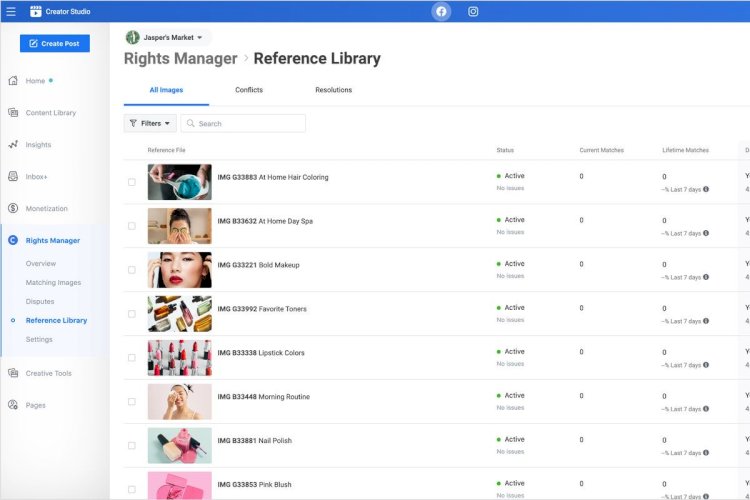
In a new update to its rights management platform, the company began working with certain partners today to give them the ability to claim ownership of images and then edit where those images appear across the Facebook platform, including Instagram.
Ultimately, the goal of this experiment is to push this feature out to everyone, as is already the case with music and video rights.
The company did not provide a timeline for when it will start rolling out this feature more widely.
Facebook did not reveal its partners, but this could theoretically mean that if a brand like National Geographic uploads its photos to Facebook’s rights manager, it can then monitor where they appear, as is the case on other brands’ Instagram pages.
From there, the company can choose to allow the images to remain, issue a takedown request, which will remove the offending post completely, or use a regional ban, which means the post remains active but cannot be viewed in regions where the company’s copyright applies.
“We want to make sure that we understand the use case very well for the tool from that group of trusted partners that are going to try it out first before we scale it, because you can imagine a tool like this is very sensitive and a very powerful tool,” says Dave Axelgard, product manager for creator and publisher experience at Facebook, in a comment to The Verge. “We want to make sure that we have guardrails that work to ensure that people can use it safely and properly.”
To claim copyright, the image rights holder uploads a CSV file to Facebook’s Rights Manager that contains all of the image’s metadata.
They will also determine where copyright applies and can exclude certain areas.
Once the manager verifies that the metadata and image match, they will then process that image and monitor where it appears.
If someone else tries to claim ownership of the same photo, both parties can come back multiple times to dispute the claim, and Facebook will eventually hand it over to whoever submitted it first.
If they then want to appeal that decision, they can use Reporting form From Facebook.