
While some buyers are turning to Mini-LED technology to avoid the problems of OLED displays, a new 3,000-hour burn-in test reveals that concerns surrounding these displays may be overblown, although Overwatch 2 caused the most noticeable drawbacks due to the high contrast bars and static cursors in its interface.
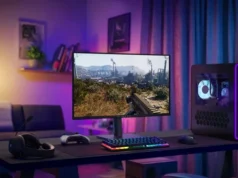
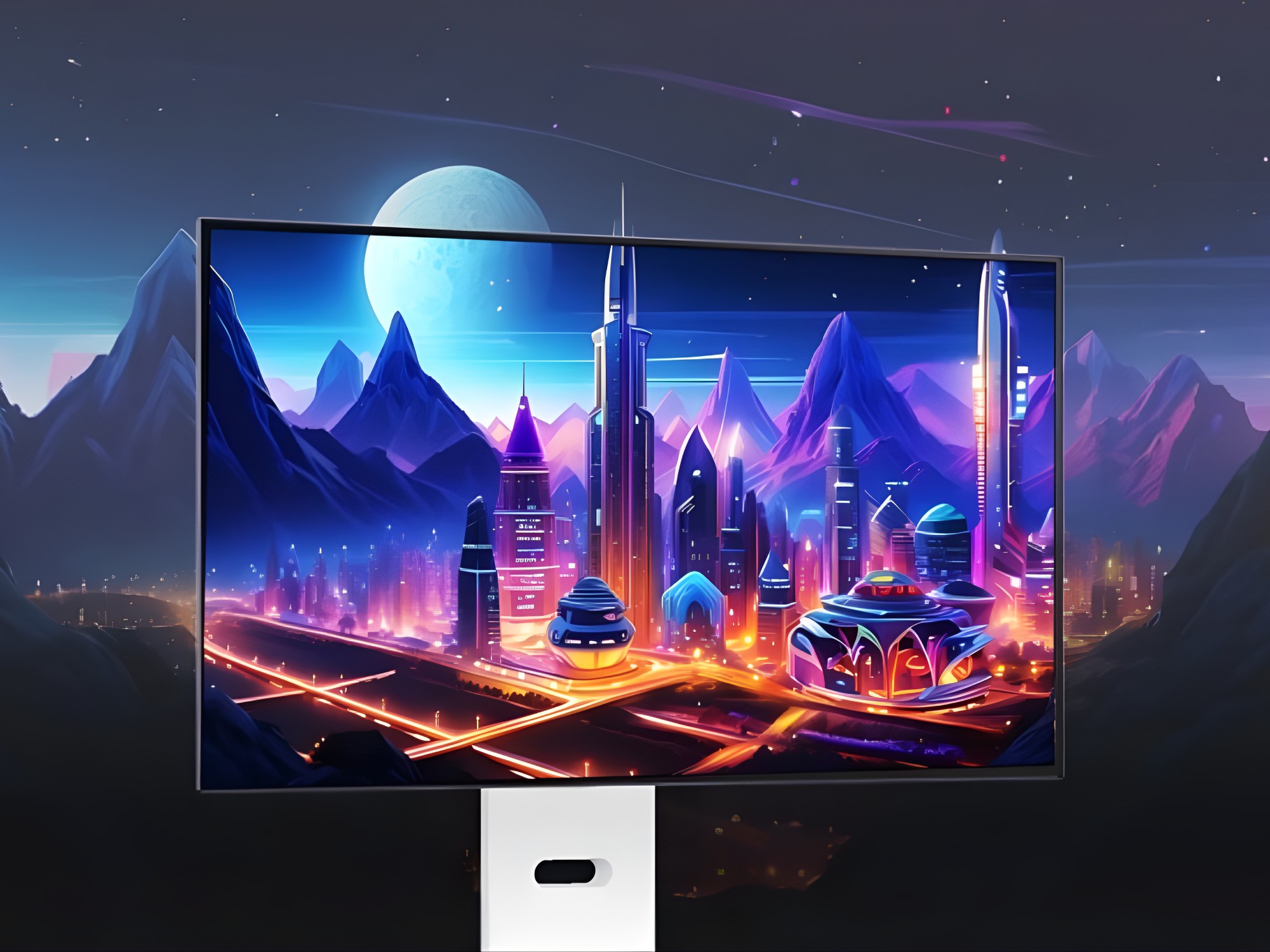
The popular technology channel “Optimum” on YouTube conducted this test on a screen LG UltraGear 32GS95UV (Dual-mode WOLED panel), to evaluate its performance after two years of default use (where 3000 hours equates to approximately 125 days of continuous operation). The brightness was set between 80% and 100% while maintaining the factory default precautions, and the Windows taskbar was automatically hidden.
While the monitor was used for a variety of productivity and editing applications, it was a toy Overwatch 2 It is the main source of entertainment and the main culprit in the decline of pixels; Just 400 hours of play were enough to leave permanent, faded marks on the health bar in the bottom-left quadrant of the screen, something other gamers with OLED displays have reported.
Is minor burnout a reason not to buy? Although traces of the game’s UI were visible when examining the screen using gray and colored patterns, Optimum confirmed that these flaws are often undetectable during normal use. Therefore, the reviewer is still happy to rely on the 32-inch “UltraGear” screen thanks to its color accuracy and deep blacks, which may be worth some sacrifice. However, the matter remains subjective, as some experienced players saw in the comments that the damage appeared too quickly for only 400 hours of play, which calls for caution and activation of “Dark Mode” and prevention measures as much as possible.