
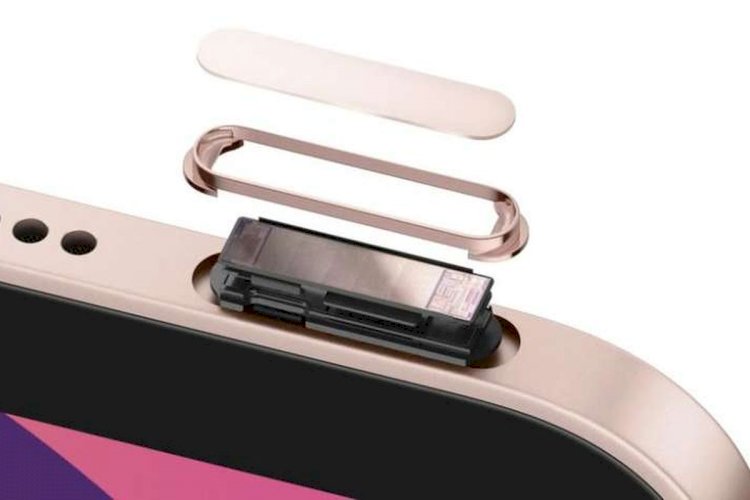
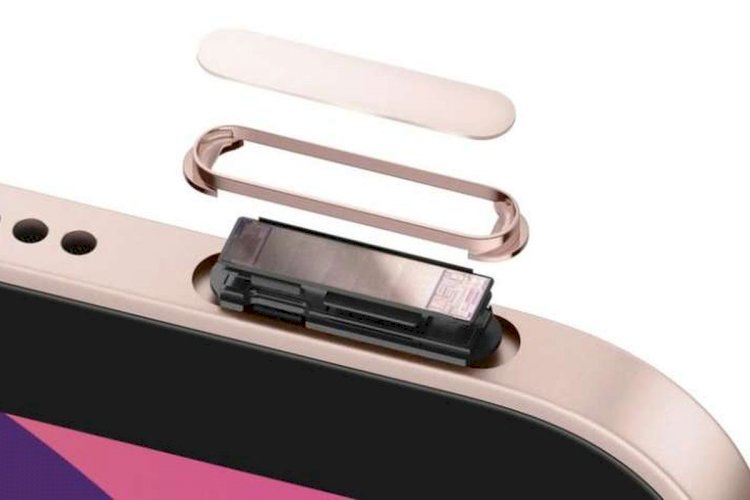
Apple’s new iPad Air fingerprint sensor will be perfect for the iPhone 12. One of Apple’s surprise hardware announcements last week was moving the iPad Air fingerprint sensor to the power button at the top of the screen.
It is also a change from the location we were accustomed to at first, where the fingerprint sensor came with the Home button at the bottom of the screen.
This process will allow Apple to put a larger edge-to-edge display on the iPad Air for the first time.
It’s an ideal location for a fingerprint sensor, as Apple has switched most of its phones to Face ID in recent years, providing a quick way to scan and unlock your face.
The only iPhone that doesn’t support Face ID is the iPhone SE, which still needs a large bezel to make room for the Touch ID fingerprint sensor at the bottom of the screen.
Face ID was fine, back in the day, but like many others, I wear a mask every time I leave my house, which means I always have to enter a PIN because the mask prevents Face ID from working properly.
Apple has improved the experience in software to speed up PIN entry failover, but Face ID has been practically useless to me for months.
Because the pandemic shows no signs of slowing down, and Apple’s Face ID technology doesn’t work well when your iPhone is lying flat on a desk and requires your full attention (virtually) to unlock the device.
While Apple has been rumored to be including in-screen fingerprint technology inside iPhones for months, we haven’t seen anything materialize. Using the iPad’s fingerprint sensor in the iPhone’s power button will allow for Face ID, Touch ID, and a great display, using technology the company is already comfortable with.
Apple’s new iPad Air is the first major change to Touch ID in years, and paves the way for a similar system on the iPhone SE models and hopefully also for the larger iPhones that currently use Face ID.
Android device makers already include fingerprint sensors in displays and power buttons.
Although reliability issues could have prevented Apple from adopting similar technology over the past couple of years.
In-screen sensors were slow to authenticate, but newer devices seem to have solved this problem.
All but the newest button sensors have had issues as well.
Apple’s reputation is to deliver new technology as soon as it’s ready, so I’m willing to assume the iPad’s sensor is as fast and reliable as the company claims.
Even if a new form of Touch ID doesn’t appear on the iPhone 12, there are also other parts of Apple’s new iPad Air that I’d like to see on the new iPhones.
Like Apple’s new A14 Bionic processor, a 5nm chip with a six-core CPU, it had a starring role in the iPad Air ad and will undoubtedly appear on the iPhone 12.
Apple promises a 40% performance improvement over the previous iPad Air with its most advanced chip yet.
Apple has also switched to USB-C on the iPad Air, a move I’m sure many of us would like to see happen on the iPhone 12.
It seems increasingly unlikely that USB-C will appear on the iPhone 12, although despite rumors of Apple removing the iPhone 12’s internal charger, we haven’t seen any strong suggestions that there will be a move to USB-C this year.
We may be waiting a long time for an iPhone with a USB-C port, and that’s assuming Apple isn’t heavily tempted to develop wireless charging instead.
Apple has a chance to shake up this year’s iPhone 12 hardware.
Rumors suggest that there will be a new industrial design reminiscent of the iPhone 4 and 5, with square edges and stainless steel.
We’ll now have to wait until October to find out how much the iPhone 12 has really changed this year.