
Wednesday 03/December/2025 – 10:16 AM
Dr. Mahmoud Esmat, Minister, confirmed electricity And renewable energy, efforts to improve energy efficiency have become a national necessity and a basic pillar, and it is an effective tool to achieve the availability of energy at lower costs, and it can be said that it is one of the sources of generating electrical energy.
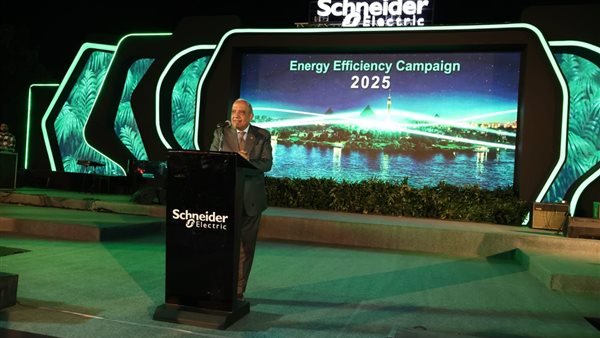
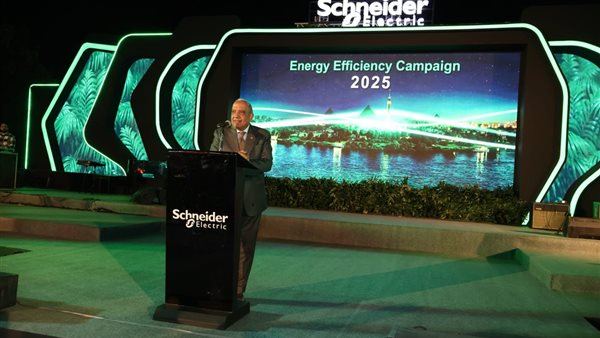
He added in his speech during the celebration of the conclusion of the Energy Efficiency 2025 campaign, which was implemented in partnership and cooperation with Schneider Electric, that the costs of constructing one megawatt are equivalent to 5 to 7 times the costs necessary to provide the same capacity through rationalization, in addition to the costs of operation and maintenance. This means that energy efficiency can be considered a powerful tool for reforming the market and reducing the impact on consumers.
He explained that the electricity sector has taken many measures to enhance energy efficiency, as the energy strategy was updated until 2040, in light of global developments and new variables, the declining costs of modern technologies, and the tremendous development in energy storage technologies, pointing out that the contribution of clean energy reaches 42% of the energy mix by 2030 and to more than 65% by 2040.
Minister of Electricity and Renewable Energy: Efforts to improve energy efficiency have become a national necessity and a basic pillar
He pointed out that maximizing energy efficiency measures aims to rationalize consumption in all sectors by 18%, and the scope of the Energy Planning Unit in the Council of Ministers has also been expanded, to include strategic planning for energy efficiency within its official competencies, explaining the construction of 3 huge projects for power plants with a capacity of 14.4 gigawatts with high efficiency combined cycle (60.5%), in addition to what was done regarding converting simple cycle power plants to combined cycle, where 1850 megawatts were added without using additional fuel, in addition to the use of superior steam technology. Critical, and implementing programmed maintenance systems for power plant components, as well as reducing electrical loss rates in transmission and distribution networks. These measures had a significant impact in reducing the rate of fuel consumption used to produce the power unit, as it decreased from 214 g/kWh in 2015/2016, to 170 gm/kWh in June 2025.
He added that in terms of energy demand, regular bulbs were replaced with LED bulbs, standard specifications and energy efficiency stickers for electrical appliances were issued, and energy audits were conducted in a number of buildings, which demonstrated the possibility of achieving savings in energy consumption reaching in some cases 46% of the energy consumed, in addition to preparing and publishing a number of guidelines to rationalize and improve the efficiency of energy use in government buildings, hospitals, the industrial sector and the tourism sector.
He pointed to projects to develop data systems, modernize the legislative structure, and tighten control over markets, whether devices that are manufactured locally or imported devices, through cooperation between the relevant authorities and ministries in the field of codes, specifications and testing laboratories, stressing that the energy efficiency campaign 2025 witnessed intensive field work and a great technical effort, in terms of implementing energy audits in a number of 25 industrial facilities from various industrial sectors, which included the cement, aluminum, textile, glass, and industrial sectors. Food, electrical equipment, and agricultural products.
Schneider Electric has conducted energy reviews and audits and prepared technical reports for a large number of them, which include savings calculations from improving energy use, stressing support for initiatives that increase energy efficiency in the industrial, governmental and domestic sectors, and that the Ministry is fully prepared to continue working with partners, to maximize the benefit of every opportunity that contributes to rationalizing consumption and improving performance.
Dr. Mahmoud Esmat said that this campaign will be the beginning of a broader series of joint national initiatives that serve national goals and support the transition towards a low-emission, more efficient and sustainable economy, expressing his deep appreciation to the French government for all aspects of support and cooperation in the fields of electricity and renewable energy.
He added that the Energy Efficiency Campaign 2025 is the result of constructive cooperation between the Ministry of Electricity and Renewable Energy and Schneider Electric, one of the most important partners in the framework of efforts to enhance energy efficiency, raise community awareness, and establish a culture of rationalizing electricity consumption. He praised the company’s keenness to adhere, its technical support, exchange of experiences and capacity building, as well as all the technical bodies and teams that contributed to the success of this campaign, from within the Ministry and from the participating industrial companies.