
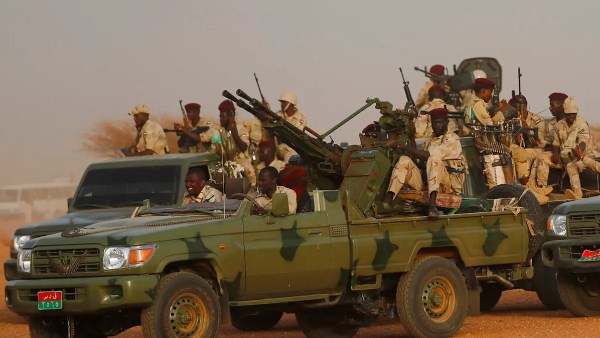
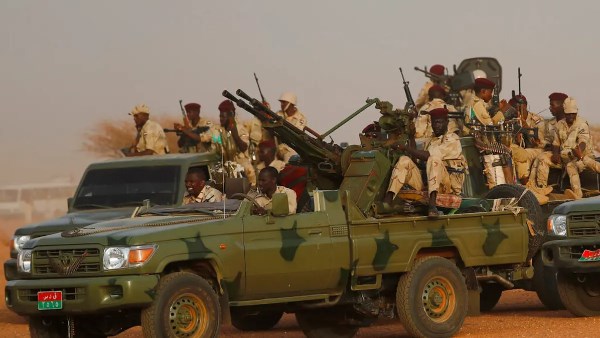
The US Department of the Treasury’s Office of Foreign Assets Control announced the imposition of sanctions on three leaders of the Rapid Support Forces, against the backdrop of their involvement in serious violations in the city of El Fasher in North Darfur state, in a move that reflects mounting international pressure to hold accountable those responsible for crimes committed in the region.
The Sudan News Agency (SUNA) reported that the sanctions included Al-Fateh Abdullah Idris Adam, known as “Abu Lulu,” Wajdo Hamdan Ahmed Muhammad, known as “Abu Shouk,” and Al-Tijani Ibrahim Musa Muhammad, known as “Al-Zeer Salem.”
Under the American decision, any assets or property belonging to the three people within the United States or within American jurisdiction will be frozen, in addition to prohibiting American individuals and entities from dealing with them. The restrictions also extend to include any entities in which they own direct or indirect shares of 50% or more.
These sanctions come in light of increasing human rights reports documenting widespread acts of violence in El Fasher, which included targeting of civilians and indiscriminate bombing of residential neighborhoods, as well as accusations of committing violations that may amount to war crimes.
During the past months, the city witnessed violent confrontations that resulted in deaths and injuries and the displacement of thousands of families, amid deteriorating humanitarian conditions and a severe shortage of food and medicine.
Observers believe that the American move has two political and legal dimensions. It aims to tighten the financial noose on field commanders accused of managing operations, while at the same time strengthening the path of international accountability through individual sanctions and international justice mechanisms.
There were no immediate comments from the sanctioned entities, while regional and international calls continue for a ceasefire, the protection of civilians, and ensuring the access of humanitarian aid to the affected areas, especially in North Darfur.
This development indicates a relative shift in the international approach to the Sudanese crisis, from being satisfied with general statements of condemnation to targeting officials by name, with expectations that additional measures will be taken if violations continue or their pace escalates.