
Tuesday 09/December/2025 – 10:32 PM
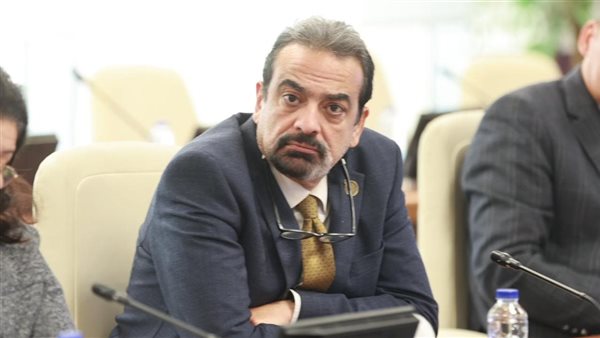
Dr. Hossam Abdel Ghaffar, spokesman for the ministerial group, revealed For human developmentThe features and objectives of the national narrative for human development, which the group is currently working on, and which is scheduled to be presented to Prime Minister Dr. Mostafa Madbouly as soon as its final formulation is completed, stressing that the narrative represents the greater story that the Egyptian state presents to its people.
The national narrative for human development builds an educated and skilled Egyptian by 2030
Dr. Hossam Abdel Ghaffar explained to Cairo 24 that this narrative is not just an official document, but rather the comprehensive vision for building the Egyptian human being physically, intellectually, emotionally and skillfully, so that he can live in dignity, compete regionally and globally, and contribute effectively to the progress of the nation, pointing out that the national narrative does not depend on general or flashy slogans, but rather expresses the dream of the state for its citizens through a long-term plan, and this plan includes clearly defined executive programs, specific policies and decisions, Allocated and announced budgets, in addition to accurate measurement indicators that enable progress to be monitored at each stage of implementation.
The spokesman for the Ministerial Group for Human Development stressed that achieving sustainable economic development is closely linked to greater investment in people, stressing that building a capable citizen begins with providing integrated health care to ensure a healthy body, high-quality education, and advanced vocational training, in addition to supporting psychological and social cohesion, which is one of the four basic pillars of any true human renaissance.
Abdel Ghaffar added that the state is working according to an integrated system between the ministries and relevant bodies, with the aim of improving the quality of life of the Egyptian citizen and empowering him to be an active element and leader in the national development process, explaining that the ultimate goal of this narrative by the year 2030 is for the Egyptian citizen to become, as follows:
- Health: Free from common chronic and infectious diseases such as Hepatitis C, obesity, and high blood pressure.
- Educationally: Graduate of an education system that keeps pace with international standards, including the new educational system, technological universities, and dual technical education.
- Skillfully: He possesses digital, linguistic and professional skills that make him in demand in local and global markets.
- Culturally and emotionally: Adhering to his identity, self-confident, and capable of civilized dialogue and positive interaction with the world.
In the context of clarifying the difference between a narrative and a regular plan, Abdel Ghaffar stated that the plan consists of a set of programs, budgets, and measurement indicators, while the narrative is the great moral story that brings together all these elements under one umbrella. In this way, it makes the citizen feel that each project – whether it is a new hospital, an upgraded school, or a village within the Decent Life Initiative – are not separate projects, but rather links in one chain called building the Egyptian human being.
The ministerial group spokesman added that the narrative, in brief, is the answer to the most important question asked by every citizen: Why are we doing all this? The answer lies in building a new generation of Egyptians by 2030 who are healthy, educated, skilled, and proud of themselves, capable of leading Egypt to the position it deserves among the nations.