
Saturday 20/December/2025 – 10:48 PM
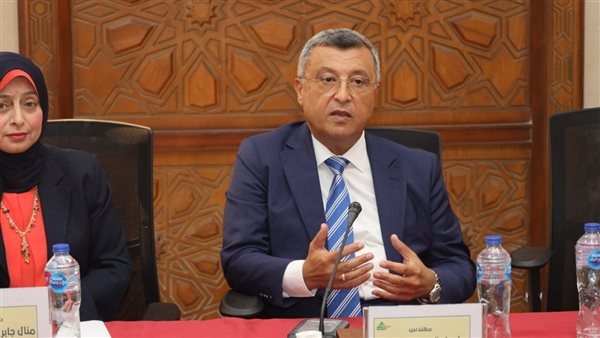
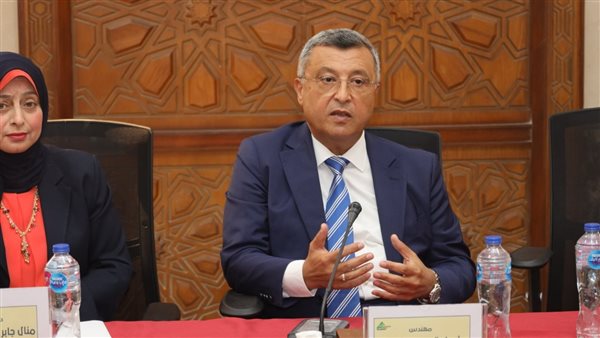
Engineer Osama Kamal, Chairman of the Energy and Environment Committee in the Senate and former Minister of Petroleum, confirmed that Gas deal The gas line between Egypt and Israel is not new, explaining that its beginning dates back to 1996, and not 2019 as some believe, and that with the extension of a gas line from Egypt to Rafah, it was planned to extend to the Eshkol station before changing its route to Taba and Aqaba.
Osama Kamal: The gas deal linked to the gas pipeline between Egypt and Israel is not new
Kamal explained, during television statements, that the line entered in two parts to feed Jordan and Israel, and came in a political context linked to the peace agreements and attempts to achieve calm in the region after the Oslo Accords, especially in light of the sensitivity of Egyptian public opinion towards the idea of normalization.
He pointed out that the increase in gas discoveries in Egypt at that time, and the lack of liquefaction units, imposed the necessity of finding a path to dispose of the production, explaining that the line later extended to Syria and Lebanon, with previous attempts to deliver gas to Lebanon before they stopped due to the political situation there.
The former Minister of Petroleum explained that Egypt entered a new phase with the operation of the two gas liquefaction units in Idku and Damietta in 2004, which are the only ones in the Eastern Mediterranean region, before production quantities declined between 2010 and 2015 as a result of a decrease in discoveries and the impact of political unrest, which was reflected in the energy crisis and load shedding.
He added that the major discoveries, led by the Zohr field, raised production to about 7 billion cubic feet per day, against local consumption less than that, before production declined again with the increase in local consumption, which necessitated a return to importing gas.
Kamal pointed out that local production in 2024 declined to less than 4.5 billion cubic feet per day, compared to consumption reaching 6.5 billion cubic feet, which made importing a necessity to secure the market’s needs.
He stressed that the quantities of gas received from Israel before the new agreement ranged between 750 and 800 million cubic feet per day, and is scheduled to rise to 1.2 billion cubic feet, indicating that Egypt will achieve annual savings ranging between 750 million and one billion dollars compared to the prices of liquefied natural gas.
The former Minister of Petroleum stressed that Israel will not use the gas deal as a political pressure card, pointing out that it has no outlet to export gas except through the Egyptian liquefaction stations in Idku and Damietta.
He explained that the agreement does not concern Israeli gas alone, as international companies, including the American company Chevron, participate in it by 40%, stressing that the presence of international partners prevents any party from imposing political or economic pressure unilaterally.