

Tuesday 24/March/2026 – 07:40 PM
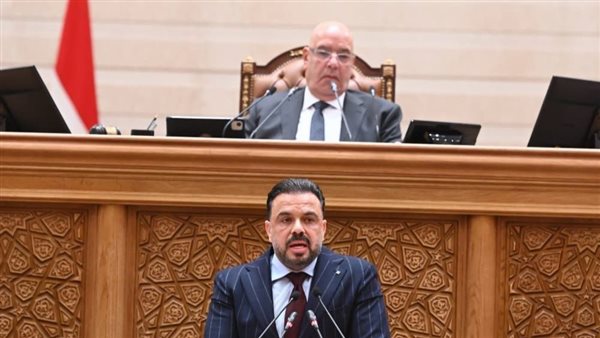
Mohamed Megahed, Chairman of the Youth and Sports Committee in the House of Representatives, stated that the committee is preparing an integrated legislative package targeting the governance of the contracting system in Egyptian football, especially the contracts of players and coaches, within the framework of a comprehensive vision to reset the sports market and achieve financial sustainability for clubs.
Mujahid confirmed in a statement that these legislations are consistent with the international regulations of the International Federation of Association Football (FIFA), which do not impose an obligation to use a foreign currency in contracts, but rather leave the freedom to determine the currency to the parties, which legally allows the promotion of dealing with the Egyptian pound as a base currency, without conflicting with the rules regulating football globally.
The Chairman of the Youth and Sports Committee in the House of Representatives explained that one of the most prominent features of the reform is the restructuring of the clauses of the penalty clause in the contracts of players and coaches, so that they are not exaggerated fixed amounts, but rather are directly linked to the level of performance and goals achieved, in a way that achieves contractual justice and prevents unjustified financial burdens on the clubs.
Mujahid stressed that the next stage will witness the implementation of a previous control system on sports contracts, especially contracts with high financial values, through legal mechanisms that ensure the review of these contracts before they are concluded, in accordance with standards of governance and financial discipline.
The Chairman of the Youth and Sports Committee in the House of Representatives stressed the importance of linking this oversight with the financial licensing requirements for clubs to participate in sports competitions, so that only clubs that are committed to financial and contractual controls are allowed to participate, which is in line with international best practices in managing professional leagues.
He pointed out that these steps represent a real shift towards building a strong national sports economy, balancing openness to the international market, protecting local financial resources, and limiting international disputes resulting from undisciplined contracts.
Mujahid concluded his statements by emphasizing that the ultimate goal is to establish a professional sports model based on governance, sustainability, and financial discipline, in a way that enhances the ability of Egyptian clubs to compete and serves the state’s direction towards supporting the national economy.