

Friday 21/November/2025 – 01:59 PM
Researchers have developed an innovative method based on genetically modified bacteria inside gelatinous capsules, which can detect intestinal bleeding within just 20 minutes, a significant advance compared to current methods that may take 10 hours or more.
Magnetic capsules detect intestinal bleeding within 20 minutes
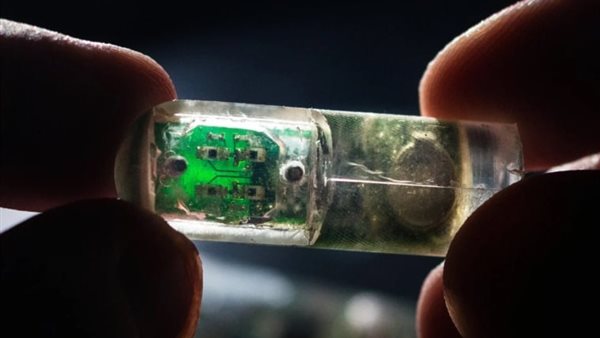
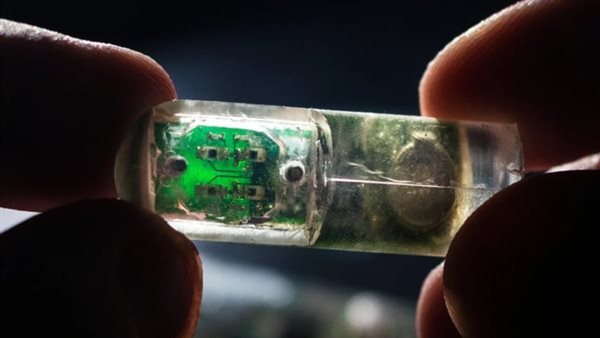
According to Study Finds, experiments on mice have proven the effectiveness of this technology, as the modified bacteria light up when there are indicators of blood in the intestines, allowing for rapid detection of bleeding. The method also relies on magnetic particles that help researchers extract capsules from stool samples within about 15 minutes using an external magnet.
The East China University of Science and Technology team calls the system MagGel-BS, and it combines three key elements: gelatin capsules to protect the bacteria, magnetic particles that make it easier to collect, and specially modified bacteria that act as internal sensors.
Studies showed that no short-term side effects were recorded, with the bacteria remaining confined within the gel at a high rate of leakage of less than 1% within 10 hours.
This method overcomes the complexities of traditional tests for bacterial sensors, which often require more than 10 hours to obtain results.
The technology is based on a modified version of the E. coli Nissl 1917 bacterium, a useful strain that was developed to detect heme, a part of the blood molecule that appears when there is internal bleeding.
When heme enters bacterial cells, it activates a genetic switch that makes them produce light. The higher the amount of heme, the greater the level of glow, which allows the severity of bleeding to be estimated.
The gelatinous coating not only protects the bacteria, it allows nutrients and signs of disease to pass through, blocks the effects of stomach acid and digestive enzymes, and reduces any potential infections. After 30 minutes of exposure to simulated stomach acid, the protected bacteria maintained full viability, compared to only 25% of the unprotected bacteria. After an hour, the softgels were about ten times more effective at keeping bacteria at bay.
The researchers compared the new technology to the chemical ortho-tolidine test used to detect occult blood in stool, which is fast but gives false positive results in the presence of vitamin C or some enzymes. The new method was found to be more accurate and able to detect bleeding earlier and with a higher level of sensitivity.