

Monday 22 December 2025 – 02:20 PM
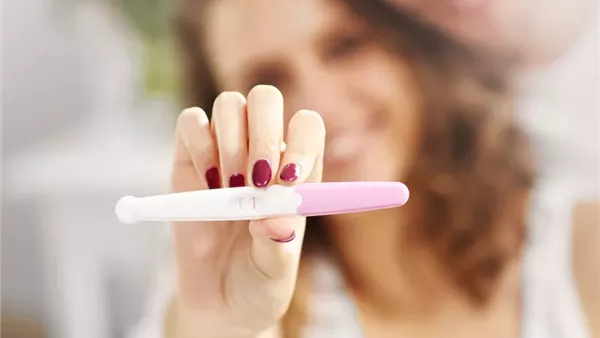
Many women may wonder how to do a home pregnancy test. The home pregnancy test is one of the first steps a woman takes when she feels anxious about getting pregnant, especially when her period is late. It helps detect the presence of human chorionic gonadotropin (HCG) in the urine, which is the hormone that the body secretes when pregnancy occurs.
How to do a home pregnancy test
Regarding how to perform a home pregnancy test, a home pregnancy test can be performed without a device using simple methods, by following the following:
- Urinate into a clean bowl and then use urine drops on the test strip.
- Place the test strip directly into the urethra during urination.
- Follow the instructions on the package to get accurate results.
When does pregnancy appear on a home test?
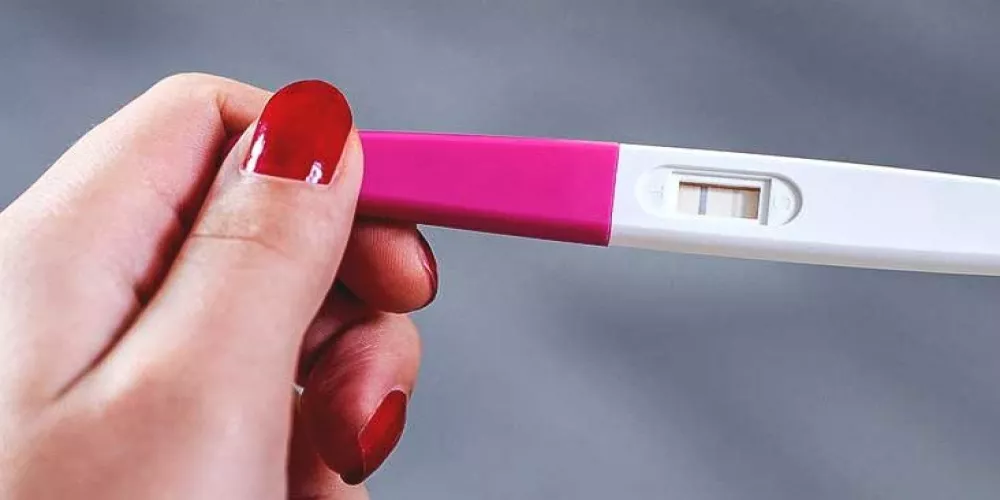
Regarding when pregnancy appears in the home test, the woman’s body begins to secrete the HCG hormone immediately after ovulation, usually about 8 days after fertilization occurs, and the result can be seen more accurately after the menstrual period is delayed by at least one day, with the need to know that the sensitivity of home pregnancy tests varies depending on the type, and some of them give results several days before the period is due.
But some doctors believe that despite the accuracy of the test, which reaches 99%, false negative results may occur if the test is conducted early, and to be sure, it is recommended to conduct a blood test in reliable laboratories.
Home pregnancy analysis device
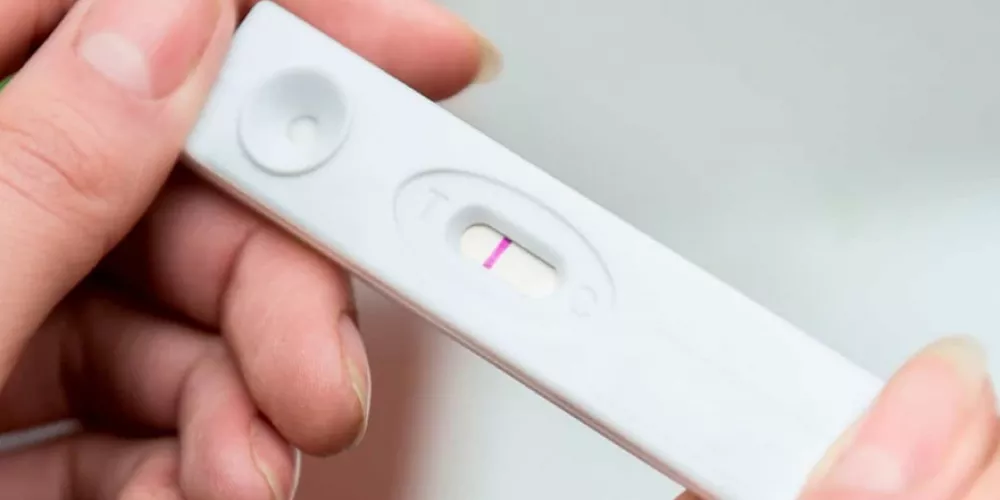
Regarding the home pregnancy test device, one of the most famous and accurate home pregnancy test devices available in pharmacies and electronic stores is:
- Clearblue digital
- First Response Triple Check
- Frida
- Pregmate
- Target early
When should I take a home pregnancy test?
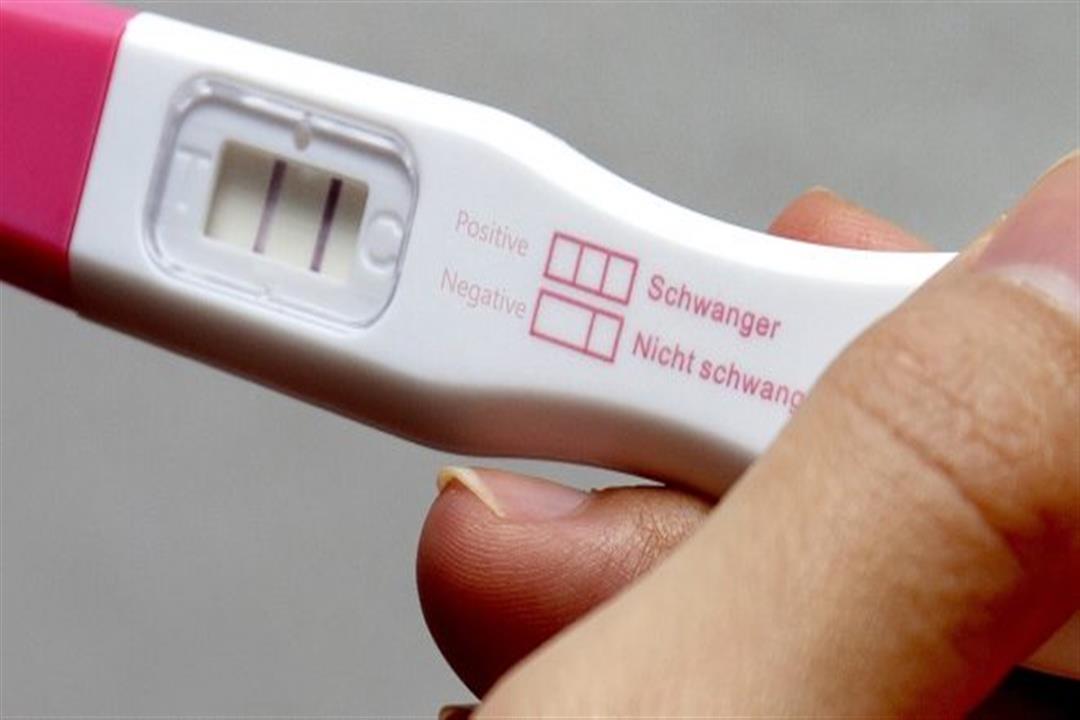
Many people may have a question about when should I take a home pregnancy test? It is preferable to do the test after the first day of delayed menstruation to obtain accurate results, as the HCG hormone begins to appear immediately after the fertilized egg attaches to the uterine lining, and the accuracy of the test can vary depending on the timing of ovulation and the regularity of the menstrual cycle.