

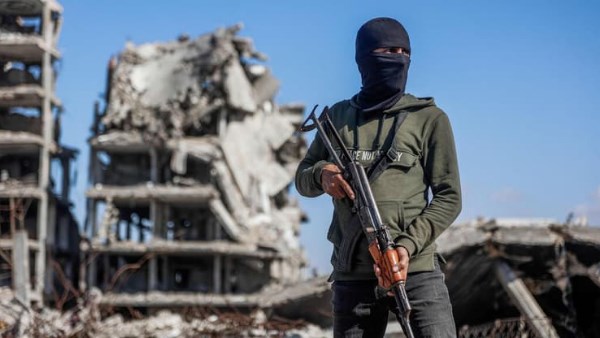
Israel admitted, before moving to the second phase of Gaza’s reconstruction, that Hamas was able to regain its strength despite the heavy losses it suffered during the war.
“Hamas has been badly damaged, but it has not been defeated and is still standing,” Shalom Ben Hanan, a former Shin Bet officer, told the New York Times.
He stressed that the movement still includes about 20,000 fighters, warning: “If the two sides relax, the next campaign will be much more severe.”
Since the Israeli army withdrew from parts of Gaza in October, Hamas has rapidly expanded its influence, with its police forces returning to the streets, its commanders realigning its ranks, and imposing taxes on some imported goods.
While a prominent official in the movement indicated their readiness to hand over the administration of Gaza to a committee of technocrats.
The Palestinians stressed that complete surrender is not on the table, and that a long-term ceasefire is possible.
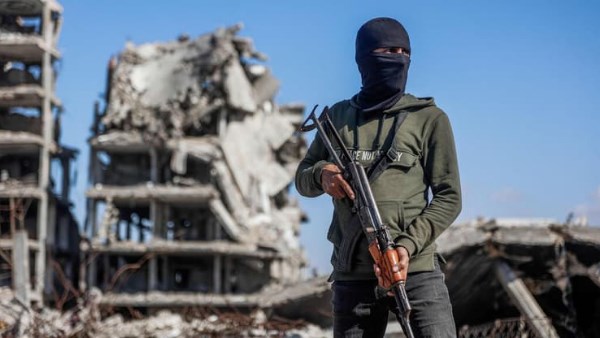
Israeli and Arab sources indicate that Hamas still maintains many hiding places and half of the underground tunnel network intact, in addition to light weapons such as automatic rifles and RPG launchers.
Movement members also continue to manage the central government institutions in Gaza, including the security services, with attempts to ensure order and stability.
Despite the partial recovery, the organization faces great pressure from Israel and the international community to give up its weapons, as part of an American plan to establish a new government and rebuild Gaza free of Hamas.
But Palestinian officials confirm that the movement will not give up its weapons completely, considering this essential to its identity and ability to defend itself.
Bin Hanan warned that Hamas may pose a future threat if it is not closely monitored, stressing: “The next battle may be in 10 or 20 years, but it may be more severe than October 7.”