

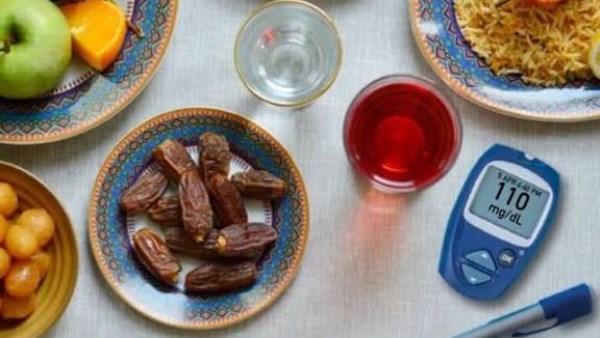
The month of Ramadan makes sweets a part of daily gatherings and occasions, but diabetics need to be careful when eating sweets to avoid high blood sugar levels and health complications.
Tips for diabetics to eat sweets safely during Ramadan
The EatingWell website revealed some scientific tips for safely incorporating sweets for diabetes into their diet without harming their health during fasting, the most important of which are:
Moderation is the key to safety:
Diabetes does not mean that you should completely give up sweets, but quantity is very important. Eat only a small piece and avoid eating too much. Sweets rich in simple sugars quickly raise blood sugar, so they should be reduced as much as possible.
Choose healthy or low-sugar varieties:
Instead of traditional sweets sweetened with refined sugar, treat yourself to healthier options such as:
Low-sugar fresh fruit (such as berries or apples), or desserts baked using whole-grain flour, nuts and seeds contain fiber and protein that help slow the absorption of sugar into the blood.

Eating sweets at the right time:
Avoid eating sweets immediately after breakfast or at suhoor, as this can cause sharp spikes in blood sugar. It is best to eat it one to two hours after breakfast, when the body has begun to digest the main food, which helps balance sugar.
Balance sweets with complete meals:
Eating sweets after a balanced meal containing protein, fiber, and healthy fats (such as low-fat yogurt, nuts, fruits) can slow the absorption of carbohydrates and reduce sugar spikes.
Light walking after eating helps:
Doing light physical activity, such as walking for 10-20 minutes after eating sweets, helps regulate blood sugar by increasing the body’s sensitivity to insulin.
Drink water constantly:
Maintaining hydration is important because water helps the body regulate sugar levels and purify the kidneys of excess glucose. Avoid sweetened or high-sugar drinks as they may cause your sugar levels to rise quickly.

Avoid processed and high-calorie sweets:
Desserts that contain large amounts of white sugar or refined flour, such as ready-made cakes, croissants, and fried desserts, cause significant sugar spikes and may negatively affect your health.
Having diabetes does not mean completely abstaining from eating sweets during Ramadan, but with moderation, choosing healthy types, coordinating the appropriate timing, and practicing light activity after eating, they can enjoy a little sweets while reducing the risk of high blood sugar.