
Friday 16/January/2026 – 03:22 AM
Dr. Hamid Al-Aqnas, Chairman of the Board of Directors of the General Authority, confirmed this For veterinary servicesFoot-and-mouth disease is not transmitted to humans at all, and does not affect the safety or quality of meat that is slaughtered in approved slaughterhouses and is subject to full veterinary examination.
Sniping: The impact of foot-and-mouth disease is limited to the economic aspect only
Al-Aqnas explained, during television statements, that the impact of foot-and-mouth disease is limited to the economic aspect only, through a decline in milk production rates and a decline in growth rates, especially in young calves, in addition to the high cost of treatment and veterinary care, indicating that the animal’s recovery and restoration of its normal rates may take one to two months.
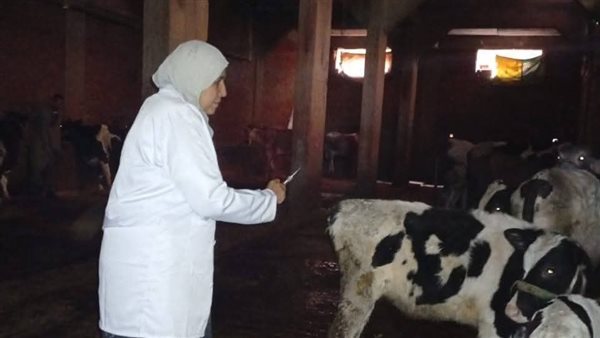
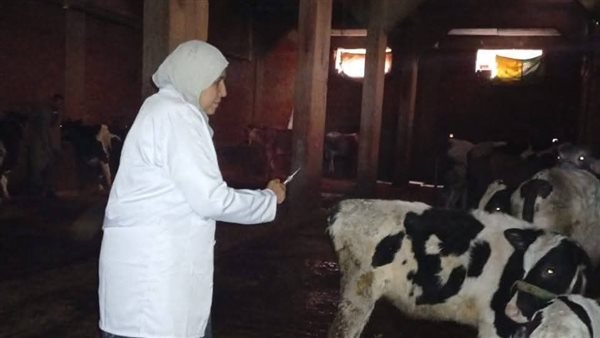
The head of veterinary services stressed that animals infected with foot-and-mouth disease are not allowed to enter slaughterhouses, pointing out that slaughterhouses apply a precise inspection system that begins with an anti-mortem inspection, where specialized veterinarians ensure that the animal is free of any disease symptoms such as fever, lethargy, or weak movement.
He added that a healthy animal that is allowed to be slaughtered is clearly active and has shiny eyes and hair, stressing that any animal that shows symptoms of illness is immediately prevented from entering the slaughterhouse, in order to preserve public health.
Al-Aqnas pointed out that the meat that comes out of slaughterhouses and bears the official seal is completely safe, high-quality meat, free of pathogens, and characterized by high levels of protein and energy, denying the rumors raised about the danger of foot-and-mouth disease meat.
He stressed that the Authority also applies post-mortem inspection to detect diseases that cannot be observed outwardly, such as tapeworm, through a careful examination of specific muscles, warning that neglecting this examination may lead to serious health risks.
The head of the General Authority for Veterinary Services concluded his statements by advising citizens not to buy meat except from reliable sources, and to ensure the presence of the official veterinary seal, stressing that the consumer is an essential partner in protecting public health.