

Tuesday 31/March/2026 – 11:38 PM
Recent reports revealed an offer Drones of a military nature on e-commerce platforms, despite the restrictions imposed on the sale of this type of equipment, in a move that raises questions about the effectiveness of digital control over these products, according to what was published in jpost.
Drones similar to the Iranian Shahed are for sale online
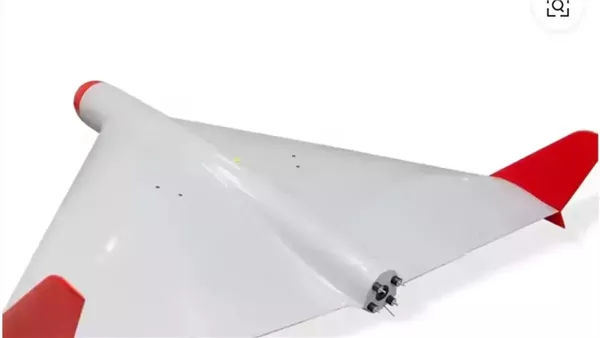
According to the information, advertisements appeared on the Alibaba platform displaying drones classified as models or for commercial use, but they carry a design and specifications very close to the Iranian Shahed-136 aircraft, which is known for its use in suicide attacks.
These aircraft showed triangular wings and a similar fuselage, with capabilities to fly in groups, a feature typically used to distract air defense systems.
The prices of these aircraft ranged between about 6,000 and 40,000 dollars, with differences in sizes and payloads, as the displayed copies appeared smaller than the original model, but they were still capable of carrying limited cargo.
Some products also bore names such as “Mosquito SM200G,” displaying similar technical details, indicating that they were modified versions of the same design.
Although Alibaba’s policies prohibit the sale of military or dual-use equipment, some ads included official warnings, while others were able to bypass review systems by being classified as civilian products.
This circumvention allowed these aircraft to continue to be displayed under different names, far from direct military classification.
In communication with one of the sellers, a sales representative acknowledged that the aircraft offered was a copy of the Shahed-136, indicating that it could be equipped with explosives, and that it could even be shipped to other countries upon request, which reflects the seriousness of the existing vulnerabilities.
This comes despite China imposing restrictions on the export of drones since 2025, which has made international trade for this type of technology difficult. However, it appears that some companies are still promoting their products locally or circumventing the laws through indirect marketing.