
Monday 26/January/2026 – 04:45 PM
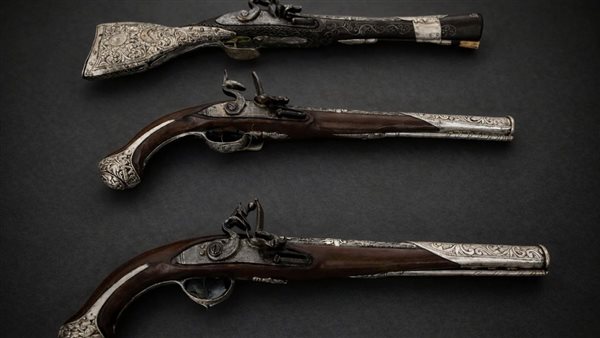
The National Museum of Civilization highlighted an important aspect of the history of the police by displaying a distinguished collection of historical weapons related to maintaining security and protecting society, in celebration of Police Day, in commemoration of the Battle of Ismailia in 1952, when policemen set the most wonderful examples of heroism and sacrifice in the face of the occupation forces, refusing to surrender or give up their weapons in defense of the nation’s dignity and security.
The National Museum of Egyptian Civilization celebrates Police Day
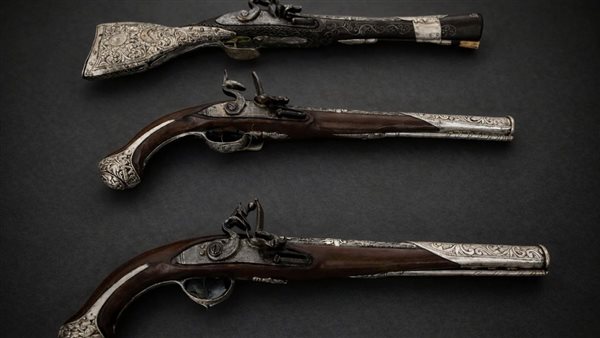
The display includes a group of ghadaras, which are miniature types of rifles, dating back to the period from the nineteenth century to the twentieth century AD, as they reflect the development of security and defense tools used at that time, and highlight the extent of the Egyptian state’s keenness throughout the ages to consolidate the concept of the rule of law and the protection of citizens.
These artifacts are a living witness to the role of police officers in maintaining stability and security throughout the country, and supporting the process of development and state building.
This display comes within the framework of the cultural and awareness-raising role of the museum in linking new generations to their national history, introducing them to the sacrifices of police officers throughout the ages, and highlighting the symbolic and national values that heritage collections hold. The display also provides visitors with an opportunity to learn about the development of police tools and methods of maintaining security in modern Egypt, in a way that enhances awareness of the importance of security and stability in the nation’s journey.
This event comes as an affirmation of the status of the Egyptian police and its honorable national role, and in appreciation of the sacrifices of its sons who sacrificed their lives for the homeland, so that Police Day remains an occasion to renew the pledge of loyalty and belonging to Egypt.