

Sunday 01/February/2026 – 09:44 AM
The Australian authorities warned of developments in the outbreak of the deadly Nipah virus in India, after two cases were confirmed in the state of West Bengal, and the imposition of quarantine on at least 190 people who had contact with the infected cases.
Australia warns of the outbreak of the deadly Nipah virus after it spread in India
According to what was published by the Australian SBS news agency, monitoring the new infections led to a precautionary move in a number of Asian countries, which tightened examination and control procedures at airports, in an attempt to limit the spread of the virus, for which there is not yet a vaccine or scientifically proven treatment available.
In this context, Australian Health Minister Mark Butler said that the Australian government is closely monitoring the health situation and assessing potential risks in coordination with international health authorities.
For their part, health experts confirmed that the Nipah virus is considered a very dangerous disease due to the high death rate associated with it, but at the same time they pointed out that it is not easily transmitted from one person to another, which reduces the possibility of its widespread spread.
What is the deadly Nipah virus?
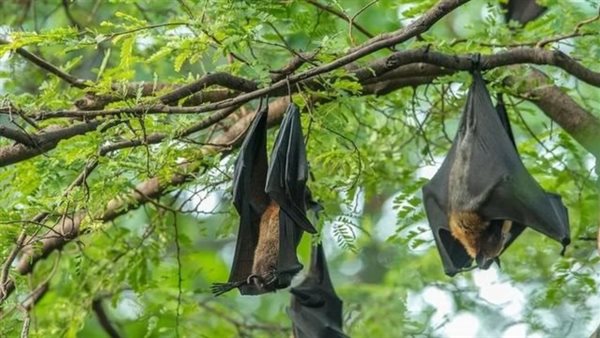
While doctors explained that Nipah virus infection is considered an infectious disease of animal origin, this virus often infects pigs and fruit bats, and is sometimes transmitted from infected animals to humans, and then it is transmitted from the infected person to others. The Nipah virus was first discovered in 1999 in the village of Sungai Nipah in Malaysia, where the Nipah virus spread among pigs in Malaysia and Singapore, and at that time 300 infections with this virus were reported in addition to more than 100 deaths.
Patients who become infected with the Nipah virus may suffer from some common symptoms that are often similar to other forms of viral infections, including:
- Fever.
- Headache.
- Muscle pain.
- Vomiting.
- sore throat.
- Dizziness.