
Saturday 03/January/2026 – 10:23 PM
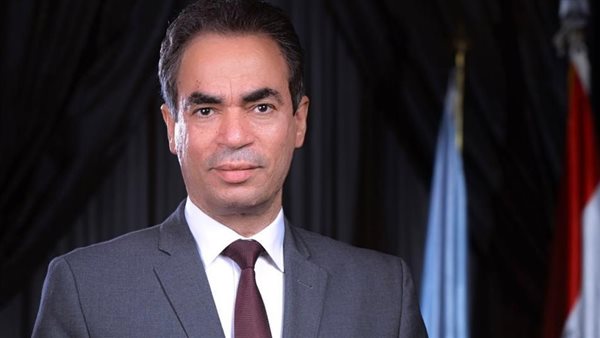
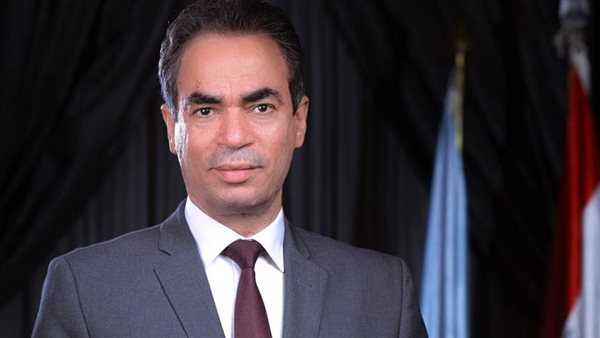
Expect the journalist and media writer Ahmed Al-MuslimaniEight years ago, US President Donald Trump invaded Venezuela, during an episode of his first edition program, noting that Venezuela, despite possessing huge oil reserves, was suffering from deteriorating economic conditions that made it vulnerable to external pressures and interference.
Ahmed Al-Muslimani expects Trump to invade Venezuela
Al-Muslimani explained that the majority of South American countries were opposed at the time to the policies and positions of Venezuelan President Nicolas Maduro, pointing out that the President of Peru was one of the most stringent leaders towards Maduro, describing him as a dictator, and demanded that he resign and give the democratic forces in Venezuela a chance.
He pointed out that the position of the President of Peru was met with a sharp attack from supporters of the Venezuelan President, and in the midst of those skirmishes, Maduro offered to hold a discussion session with the President of Peru to explain the situation inside Venezuela, but the latter refused the meeting and stuck to his position rejecting the Venezuelan regime.
During that period, US President Donald Trump announced the entry of US military forces into Venezuela, in statements that were considered clear signals of a possible US invasion of the country, as Trump reviewed his country’s military power, stressing that the United States possesses forces deployed throughout the world, regardless of distances.
Al-Maslamani confirmed that Trump’s statements at the time carried a direct threat to invade Venezuela and control its leadership, which was met with angry reactions from the Venezuelan side, as both President Maduro and his Defense Minister attacked Trump, describing his statements as “insanity.”
Al-Muslimani also conveyed statements by the son of the Venezuelan president, who said that if American forces entered Venezuela, the response would be to occupy New York and the White House, warning that the outbreak of war would reveal to Trump the extent of the crises in which he might involve himself.
In the same context, Latin American countries expressed their strong dissatisfaction with Trump’s statements, describing them as unacceptable and a threat to the stability of the region.
Al-Muslimani pointed out that Trump spoke at that time about three possible countries for American military intervention, led by Venezuela, followed by Iran and North Korea, considering that these statements explicitly put Venezuela on the war map, and represented a direct threat to its security and sovereignty.