


A problem has arrived Stray dogs The Egyptian streets reached a stage of widespread controversy after the head of the Farmers’ Syndicate announced the presence of about 11 to 14 million stray dogs in the streets, which sparked debate about ways to deal with them, among economic, environmental, and religious proposals. The issue opened the door to controversy among the authorities, jurists, and animal protection associations.
The rise in the number of stray dogs and proposed solutions
Hussein Abu Saddam, head of the Farmers Syndicate, confirmed that there is a state of confusion due to stray dogs spread in the streets, stressing that they may cause problems for citizens, noting that stray dogs may sometimes be as dangerous as snakes, and must be dealt with firmly.
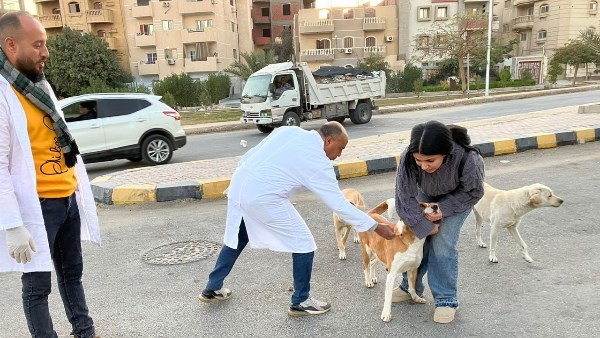
He pointed out that the number of stray dogs reached between 11 and 14 million dogs, a number that exceeds the local need.
Abu Saddam proposed an economic solution, saying: exporting stray dogs and importing food commodities instead, with a condition that they should not be eaten abroad, stressing that the money invested in eating dogs could be used to provide food for citizens.
The religious aspect raises widespread controversy
Sheikh Attia Muhammad Attia, an Al-Azhar scholar, commented on the proposal, stressing that trading dogs for food is forbidden and corrupt, likening the process to trading in amusement instruments, and stressing that Islamic jurisprudence prohibits the buying and selling of dogs for these purposes.
While Sheikh Tariq Nasr, also an Al-Azhar scholar, said that trading in dogs is permissible if there is a surplus, and that exporting and selling them to any country is permissible according to Sharia law.
Animal protection associations confirm national solutions
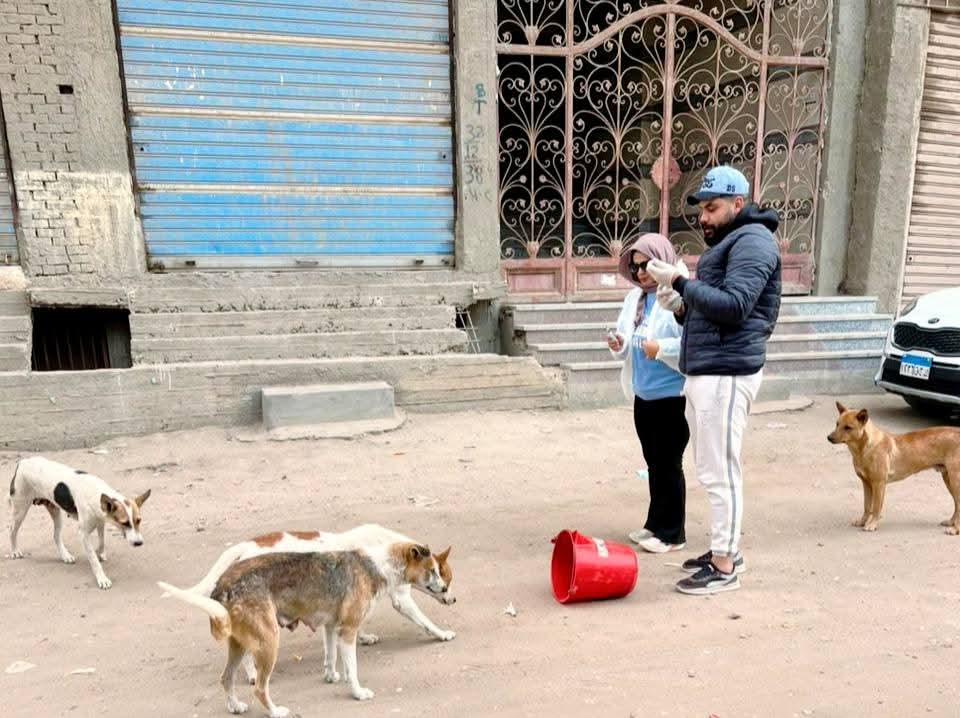
Mohamed Tawfiq, treasurer of the Egyptian Society of Friends of Animals and member of the Egyptian Federation of Animal Welfare Societies, confirmed that the government is working to solve the problem of stray dogs through sterilization and vaccination programs, in cooperation with the state.
He added that the sterilization process began last July, and that the number of dogs on the streets will decrease significantly within 6 months, while maintaining the environmental balance and the role of dogs in preventing the appearance of wolves and protecting property.
He pointed out that all vaccinations are carried out under the supervision of the Veterinary Services Authority, and that the export of dogs is only permitted for adoption and not for eating.