
Sunday 12/April/2026 – 10:07 AM
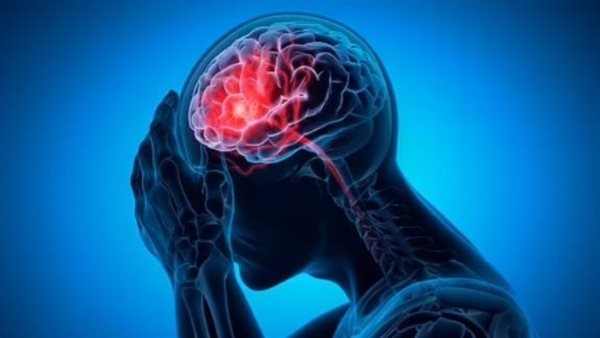
Stroke is a critical medical condition that is strongly affected by multiple physiological factors. A recent study revealed that inflammation and malnutrition work devastatingly together to worsen patients’ health outcomes and delay recovery, highlighting the importance of early nutritional intervention to reduce serious complications.
The interrelationship between stroke and systemic inflammation
According to Medical

A recent scientific review highlighted the existence of a bidirectional relationship, as inflammation can push the patient towards rapid nutritional deterioration, while malnutrition may in turn weaken immune regulation and amplify inflammatory dysfunction. Together, these biological processes contribute to exacerbating and delaying the patient’s neurological recovery, leading to a significant increase in the risk of death and the emergence of more complex medical complications after stroke.
How infections increase malnutrition in stroke patients
According to the same source, the medical review described several precise biological pathways through which inflammation may promote malnutrition after an acute ischemic stroke. Proinflammatory cytokines such as interleukin 1 beta, interleukin 6, and tumor necrosis factor alpha can significantly suppress appetite and disrupt vital neuroendocrine signals, which directly contribute to anorexia nervosa.
In parallel, severe inflammation may stimulate metabolic hypercatabolism, increase energy expenditure during rest periods, accelerate the breakdown of muscle mass, and shift hepatic protein synthesis away from transport proteins and toward acute phase reactions. Gastrointestinal dysfunction and impaired intestinal absorption may make nutritional status worse. These complex mechanisms are of critical clinical importance because stroke survivors may already face severe challenges such as dysphagia, poor mobility, cognitive decline, and decreased ability to take food orally. The study confirmed that this combination The destructive can create a self-reinforcing vicious cycle in which inflammation exacerbates malnutrition, and malnutrition in turn maintains persistent inflammatory stress.
Clinical assessment and early nutrition strategies for stroke patients
Researchers and clinicians noted that there is no single, uniform gold standard for nutritional assessment in current stroke care protocols. Instead, experts support a multifaceted approach that uses validated medical screening and diagnostic tools along with accurate laboratory indicators, despite the common use of serum albumin and protein levels.
The scientific review cautioned that acute-phase responses can severely limit their value as independent nutritional markers for direct diagnosis. Early and thoughtful nutritional intervention has been introduced as a top clinical priority in treatment programs. Personalized dietary plans and enteral nutrition when needed most may help reduce the serious consequences of inflammatory-induced malnutrition, contributing to improved functional outcomes and reduced risks of complications. The authors concluded that incorporating systematic nutritional assessment and sound management into standard stroke care protocols may significantly support the chances of better recovery and long-term positive outcomes. scope, identifying vital and important areas for future medical research.