
Sunday 11/January/2026 – 03:07 AM
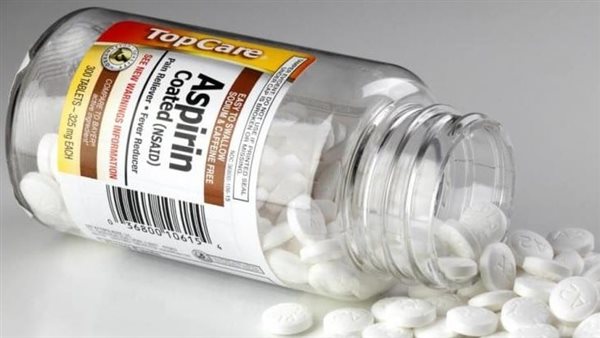
Taking daily low-dose aspirin did not extend healthy lifespan (meant to avoid physical disability, dementia or death) in healthy adults ages 70 and older, a new study shows.
A follow-up study published in September confirmed that aspirin does not help people live longer or healthier lives.
Common errors associated with aspirin
Aspirin does not prevent heart problems except in specific cases
While low-dose aspirin was previously thought to protect the heart, recent studies have shown that aspirin therapy is associated with higher risks of bleeding and cancer than previously known. Therefore, experts recommend that the harm and benefit for each person be carefully assessed by a doctor.
If you’ve had a heart attack or stroke, your doctor will take all your health information into consideration to decide if aspirin is right for you. As for healthy people who want to maintain their heart health, it is recommended to focus on a healthy lifestyle, including controlling weight and blood pressure and exercising regularly.
Higher doses are not better
Low-dose aspirin (81 milligrams per day) is as effective as high doses for preventing the blood clots that cause most heart attacks and strokes. Higher doses — such as 325 milligrams per day — increase the risk of bleeding without additional benefit.
Risks do not disappear if symptoms do not appear
Even if there are no signs of bleeding after taking aspirin, this does not mean that it is completely safe. Aspirin increases the risk of bleeding, and this risk decreases once you stop taking it.