
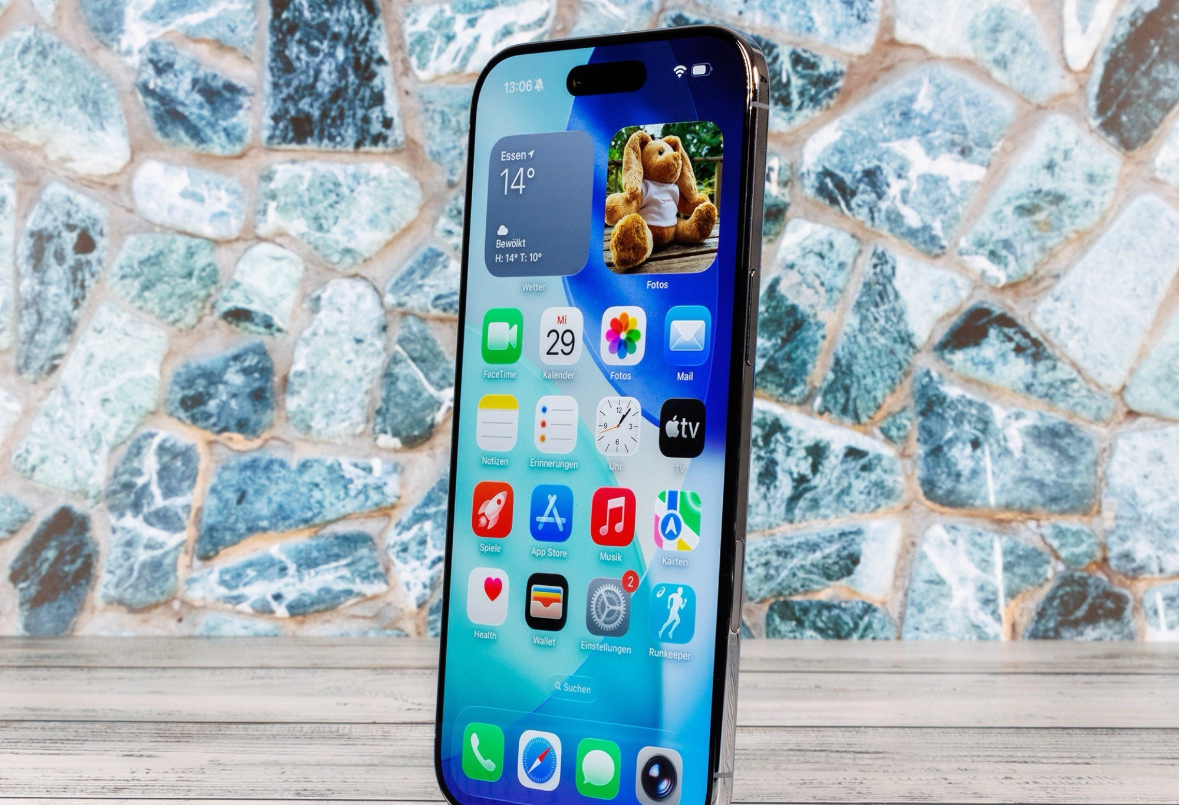
The iPhone Air comes with only one rear camera, even though Apple has placed it in a high price category that requires the user to expect a complete photography experience. The phone relies on a 48-megapixel sensor and an f/1.6 lens inside an ultra-thin body with a thickness of 5.6 millimeters, but this thin design came at the expense of a wide and telephoto camera.
Surprisingly, phones like the Motorola Edge 70 succeeded in placing three cameras inside a body that does not exceed 5.99 mm, which shows that sacrificing the photographic experience was not inevitable.
DxOMark results reflect this reality; The phone lost a large number of points due to its reliance on digital zoom and panorama instead of real lenses, eventually obtaining only 141 points and falling to 41st place.
In this ranking, the iPhone Air falls behind the Google Pixel 8, iPhone 15, and even the Xiaomi 15, which are phones that offer greater photography versatility.

Apart from the lack of lenses, the phone faces several other notes. Sometimes autofocus becomes too slow, and brightly lit scenes appear too dark.
In portrait mode, some details may disappear, while clear deviations in white balance and uneven exposure appear during video recording. However, the iPhone Air retains an important feature: excellent video stabilization that makes it powerful when shooting on the move.
Despite all this, the primary camera is still able to provide accurate colors, balanced exposure, and a wide dynamic range, in addition to good performance in low light. Portrait mode also succeeds in isolating the background accurately in most cases, although it sometimes fails in complex scenes.