

Is the government really intending to sell textile factories after spending billions on them? Or is it just a rumor that is repeated every once in a while and with every major development step? Does logic accept that a country burns its money in factories and then wastes it, or is there a much deeper and smarter plan that no one has taken care of? Is the textile issue entering into a real awakening or just temporary painkillers?
Let us be clear from the beginning that talk about selling textile factories is completely incorrect, and the state itself came out and responded and categorically denied the rumor and said that what is happening is exactly the opposite. The state is now implementing the largest national project to develop the textile industry in its history, a project that includes about sixty factories and service buildings between new construction, development and rehabilitation, and this is being done with the latest international technology and quality standards that compete with large international factories.
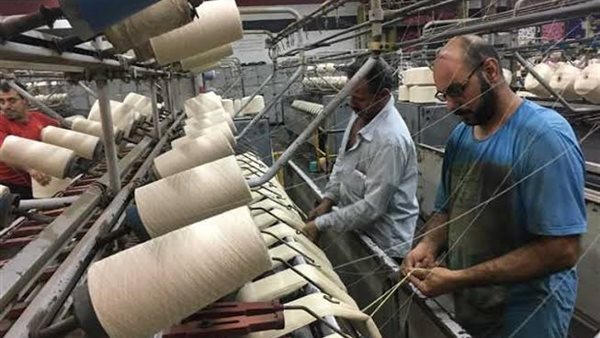
This project is operated through the Holding Company for Cotton, Spinning and Weaving and extends across seven governorates over an area of approximately one million square metres. It includes seven historical companies that were at one time the title of Egyptian industry, such as El Mahalla Spinning, Kafr El Dawar, Shebin El Kom, Dakahlia, Damietta, Minya and Helwan. I mean, we are talking about the heart of the industry, not its outskirts.
Ok, the important question is why is the state doing all this?
Because spinning and weaving are not just factories, this is a strategic industry linked to Egyptian cotton and export, with tens of thousands of job opportunities and a very high added value. The state sees that reviving this sector means restoring a global position that was lost over many years. It also means pumping hard currency, increasing exports and reducing imports.
Whoever acts in development, I do not act for the sake of selling, I act for proper operation and real production. The first phase of the project was actually completed at the end of 2024 and operated giant factories, such as one spinning factory, which is considered the largest of its kind in the world, along with other factories and a new electricity station, and this is all operational, and actual production is produced, not words on paper.
The second phase is also underway, and includes operating new factories in Shebin El-Kom and completing the rest of the Mahalla spinning complexes, including spinning, weaving, and dyeing. This means that the state will complete the whole picture from the beginning of the thread to the ready fabric, and this is professional industrial thinking.
So, where is the role of the private sector?
Here, the state clearly said that it does not sell assets, but it is open to partnership, a partnership in management, operation, expertise, and marketing. This means that the factory is preferably owned by the state, but managed with an investment mentality that achieves the highest return and makes the Egyptian product compete globally, and this is a model used in many successful countries.
The whole idea is that the state, instead of making factories a burden on the budget, decided to turn them into productive assets that earn, operate, and export, and this is the essence of the story. It is not selling or neglecting, it is reviving an industry that was almost dead and turning it into a real growth engine.
What is happening in the textile file is a clear message that the state is thinking about how to develop its assets first, then operate properly, and then participate intelligently in order to achieve the maximum economic and social benefit, and this is what we must understand, away from sensational headlines and easy rumours.