

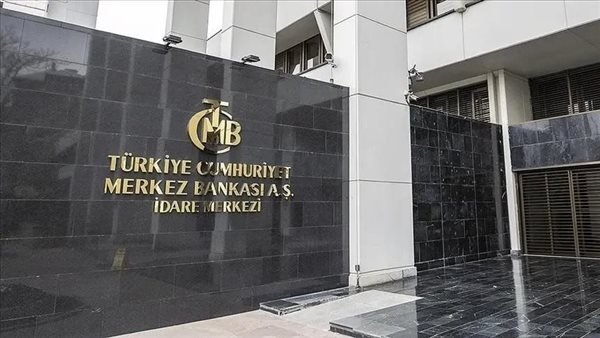
The Turkish Central Bank said on Friday that difficult financial conditions play a supportive role in balancing domestic demand and driving the process of reducing inflation, adding that moderate loan growth is also in line with the trend of a slowdown in price growth.
Inflation fell slightly more than expected in October to 32.87% annually and to 2.55% monthly, after remaining higher than expected in the previous two months, prompting the Central Bank of the Republic of Turkey to slow its easing cycle.
The bank said in its semi-annual report on financial stability, that despite the increasing global uncertainty and geopolitical risks, the process of reducing inflation has led to an improvement in Turkey’s sovereign risk premium.
“Since the previous issuance of the report, difficult financial conditions have continued to support the balance of domestic demand and the process of reducing inflation,” Turkish Central Bank Governor Fatih Karahan said in the introduction to the report.
“As a result of our tight monetary policy stance, loan growth has been moderate, in line with the disinflation process,” Karahan noted.
The central bank responded to price pressures by slowing the monetary easing cycle by cutting interest rates by 100 basis points last month to 39.5%.
At the previous meeting in September, the bank had already hit the brakes with a rate cut of 250 basis points, after cutting the one-week repo rate by 300 basis points in July.
In April, Turkey’s central bank reversed its December course of raising its key interest rate to 46% amid fluctuations following the arrest in March of former Istanbul mayor Ekrem Imamoglu, who was jailed pending trial on corruption charges.
Karahan stated that loan and deposit pricing is in line with changes in the key interest rate and expectations.
He added: “The steps we have taken within the macroprudential framework, which we use as a complementary tool to the key interest rate, have slowed the growth of foreign currency loans and strengthened the transmission of monetary policy.”
At the same time, difficult financial conditions affected asset quality indicators to some extent, as loans to individuals diverged negatively from loans to companies, according to Crahan.
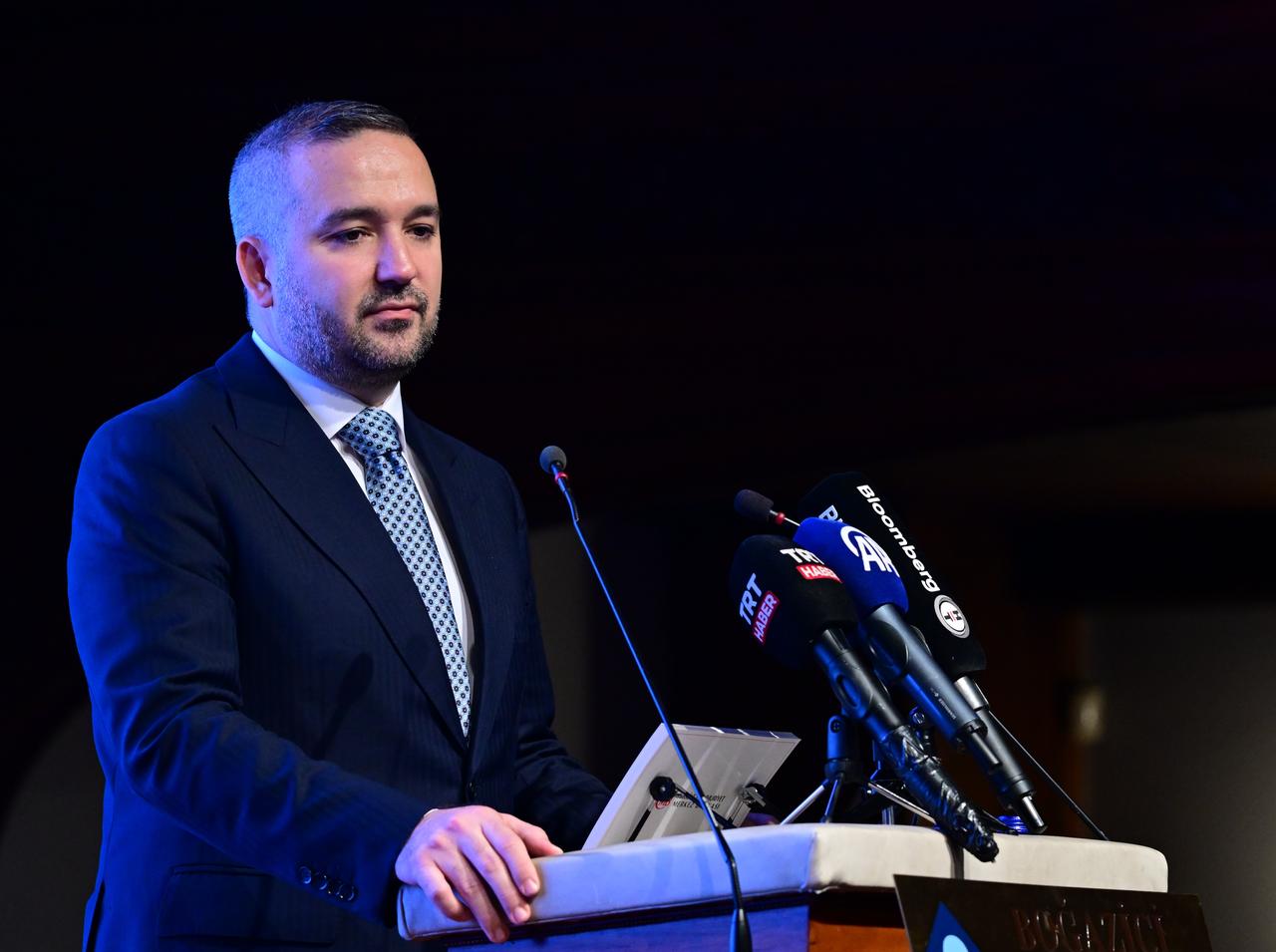
In light of the restoration of stability following the fluctuations witnessed in the financial markets in the first quarter, Karahan said that the demand for Turkish lira assets increased, the share of deposits in the lira remained stable at high levels, and the reserves of the Turkish Central Bank continued to rise.
The report said that the share of the lira in the composition of commercial loan growth rose, driven by a slowdown in the growth of foreign currency loans.
Karahan also indicated that the opening and renewal of accounts for foreign exchange-protected deposits had been stopped, and he said that the balance of these accounts had declined to relatively low levels.
He continued that despite the rise in global uncertainty and geopolitical challenges, the sovereign risk premium improved further, which contributed to enhancing positive expectations for external financing conditions for banks and the corporate sector.
The report said that the recovery trend in banks’ profitability became more evident in the third quarter due to the reduction in interest rates.
Karahan added, “Along with improved profitability prospects for banks, strong liquidity and capital buffers also contributed to overall financial stability.”
The report said that the growth of domestic foreign exchange loans to the corporate sector has slowed, and that access to external financing remains strong.