
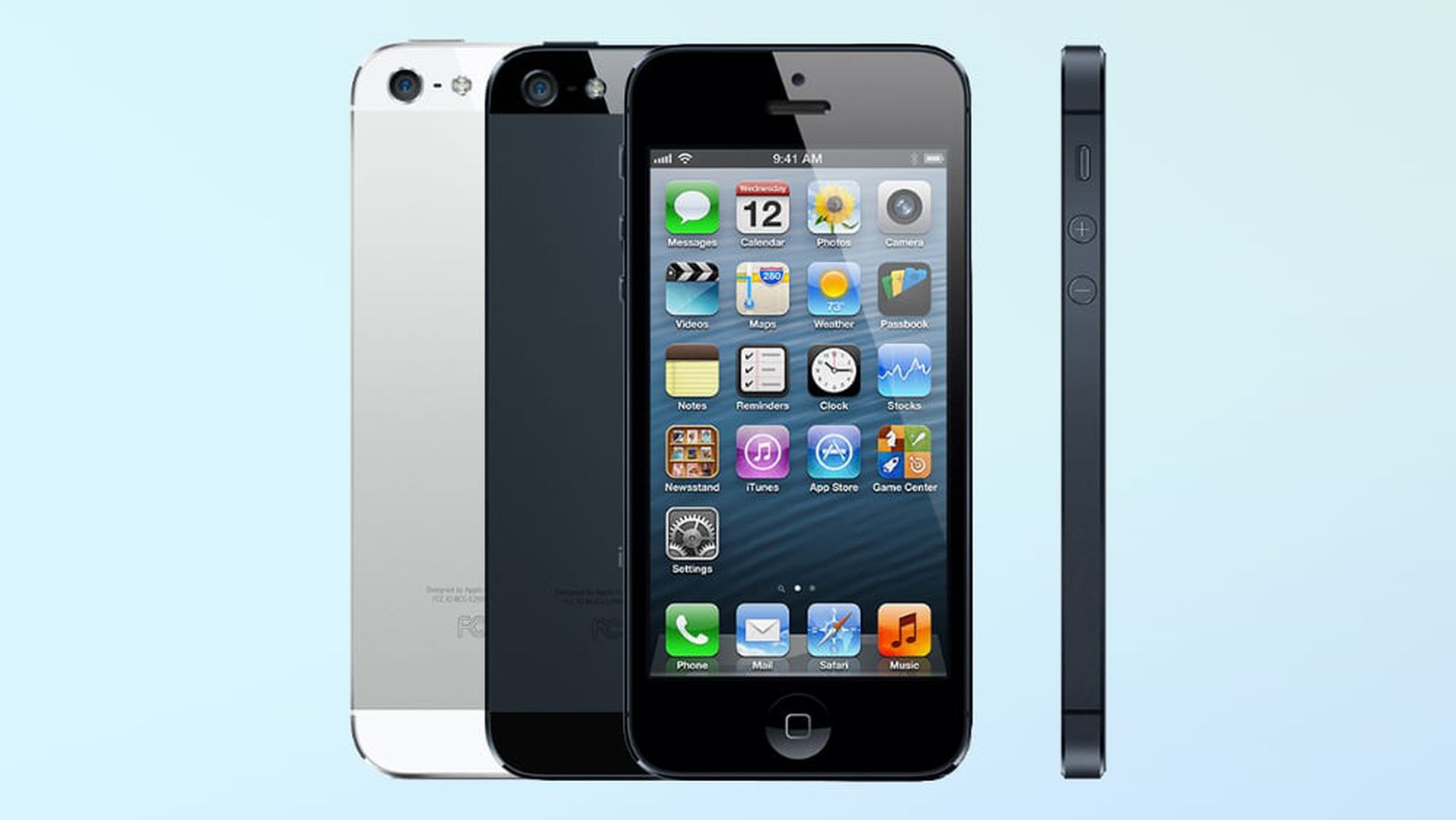
Apple officially announced the inclusion of the iPhone 5, which it launched in 2012, on the list of completely obsolete devices. The company’s official list witnessed the transfer of this iconic version, in addition to the iPhone 4 with a capacity of 8 GB, from the list of old devices to the final list of devices whose support has been completely stopped, thus turning an important page in the history of its smart phones that caused a sensation when they were launched in global markets.
Any device is classified into the category of old devices when five years have passed since the last time it was distributed for direct sale, while it moves to the category of obsolete devices when it reaches the seven-year mark. Although the company may sometimes extend these timelines, the rule stipulates that official stores and authorized service providers can provide repairs for old devices only if the necessary spare parts are available, while outdated devices lose their eligibility for repair and the company stops providing their components.
Apple launched the iPhone 5 for the first time in 2012 before officially stopping its production in 2013, coinciding with the launch of the new iPhone 5s and iPhone 5c models. This distinguished version joined the list of obsolete devices in 2018, a stage in which repair operations became limited and restricted by the availability of spare parts in stores, and with the device now moving to the final list of obsolete devices, repair options will become completely unavailable to users.
This iconic phone was distinguished by an innovative and completely new design for its time, as it combined glass and aluminum into a single structure, with a longer 4-inch screen to provide a better viewing experience. This model witnessed support for fast 4G LTE networks, in addition to being the first smartphone from the company to come equipped with the revolutionary Lightning port, which replaced the old 30-pin connector to provide much better transfer and charging speeds.
As for the iPhone 4 with a capacity of 8 GB, which in turn joined the same final list, the company presented it for the first time in 2011 before stopping its production later in 2013. It is worth noting that Apple continued to sell both phones as low-cost economic options in many emerging markets around the world after officially stopping their introduction in the United States markets to meet the needs of a wider segment of consumers.