
Sunday 23/November/2025 – 11:28 PM
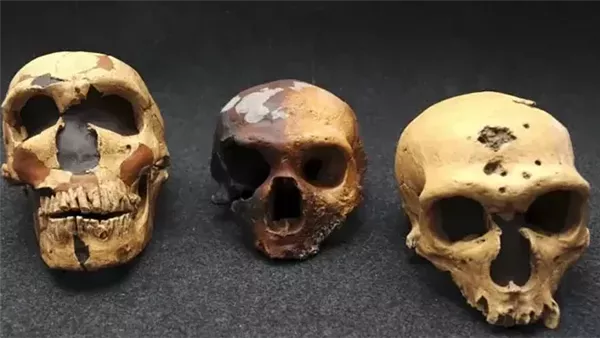
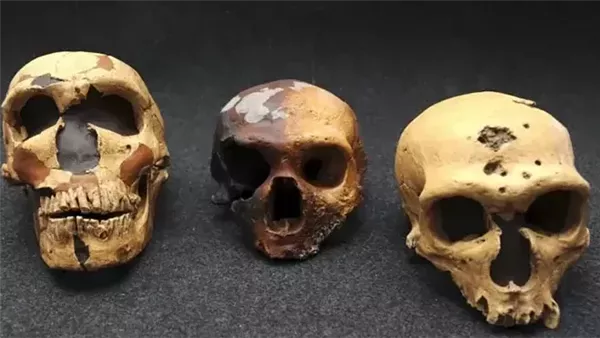
revealed Scientific study A recent study, published in the journal Scientific Reports, revealed a new explanation for the disappearance of Neanderthals, far from traditional narratives that link the end of this species to conflict or environmental disasters.
Why did Neanderthals disappear?
According to the research team, the genetic integration of Neanderthals into modern humans may have been the most prominent reason behind their disappearance, in a natural process that extended over thousands of years.
Scientists adopted a mathematical model to simulate the effect of limited migrations and contact between Neanderthals and Homo sapiens, which contributed to frequent mating operations between the two groups.
The results indicate that this genetic interference led over time to what is known as genetic dilution, as the presence of Neanderthal genes gradually declined in exchange for the expansion of the hybrid lineage resulting from mixing. Accordingly, Neanderthals did not become extinct in the traditional sense, but rather melted into the genetic structure of modern humans.
Although previous studies put forward several hypotheses, such as the weak population growth of Neanderthal groups, their geographical isolation, in addition to the impact of environmental and climate disasters, or the introduction of diseases carried by modern humans, these theories were inconclusive.
On the other hand, the new results are consistent with a genetic fact confirmed today, which is that humans outside of Africa still carry between 1% and 4% of Neanderthal DNA, which strengthens the hypothesis of assimilation rather than extermination or outright extinction.
This interpretation offers a different perspective on human history, suggesting that evolution was not always based on conflict, but was sometimes the product of long natural interaction that ended in the emergence of a more integrated and viable lineage.
This scientific approach prompts a re-evaluation of the concepts of extinction, not as an end, but rather as a genetic shift extending over time.