
Sunday 05/April/2026 – 11:11 PM
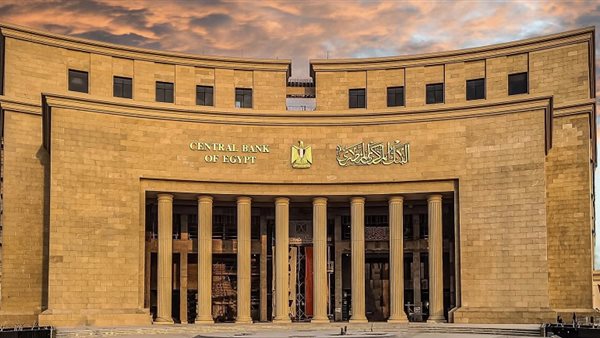
Cash reserve indicators in Egypt have witnessed a remarkable development, according to the latest update from Central BankWith foreign reserves recording the highest level in its history, compared to a decline in gold reserves for the first time in about 8 months, which raised questions about the reasons for these movements and whether they reflect pressures on the economy or a trend to sell gold.
Gold decline…the effects of global valuation and the strength of the dollar
In this context, economic expert Ali Al-Idrissi stressed, in exclusive statements to Cairo 24, that the decline in gold reserves should not be interpreted as a negative indicator, but rather reflects flexible and active management of international reserves by the Central Bank, noting that the reserve consists of a diverse basket that includes foreign currencies and special drawing rights in addition to gold, which gives the decision-maker flexibility to move.
He explained that the decrease in the value of gold does not necessarily mean selling it, as it is due in large part to changes in the valuation according to international prices, as gold is calculated in dollars, and therefore the decline in its prices globally or the strength of the dollar may lead to a decrease in its book value without any actual disposal of the quantities.
On the other hand, the record rise in foreign reserves reflects improved foreign exchange flows, driven by increased foreign investments, improved tourism revenues, and stable remittances from Egyptians abroad, in addition to international deals and financing that enhanced the foreign currency component within the reserve.
Regarding whether Egypt resorted to emulating the Turkish experience, in which Turkey sold its gold reserves to support its currency, Al-Idrissi pointed out that the situation in Egypt is different, as there are no indications of following the same approach, especially with monetary policy moving towards maintaining the diversity of reserve components, instead of liquefying one of them.
For his part, Ezz Hassanein said that the Central Bank’s data reflects a state of “high dynamism” in international asset management, explaining that the cash reserve recorded about $52.8 billion, which is the highest historical level, while the value of gold declined by about $2.3 billion to record about $19.1 billion.
Did Egypt sell its gold? A clear difference from Türkiye’s experience
He added that the decline in gold is due to two main reasons, the first of which is the periodic revaluation according to international prices, and the second is the possibility of using financial instruments such as swap operations to obtain temporary dollar liquidity, which are technical measures that do not mean losing ownership of gold.
Regarding the possibility of selling gold “the Turkish way,” Hassanein ruled out this scenario, stressing that Egypt is currently in the stage of strengthening and building the reserve and not depleting it, especially with its reaching record levels that reduce the need for any emergency sale.
The effect of movements on the exchange rate
Experts agreed that these developments carry strong reassuring messages to the markets, as the rise in foreign reserves enhances the ability of the central bank to meet the demand for foreign currencies and support the stability of the pound.
The current reserve covers more than 9 months of imports, a level that exceeds international standards, which provides strong support to the exchange market and enhances investor confidence.
The experts concluded their statements by stating that the limited decline in gold reserves, as long as it results from a revaluation or liquidity management, does not represent real pressure on the Egyptian pound, but rather the record high reserve remains a strong “wall” in the face of economic fluctuations and geopolitical tensions.