
Saturday 27/December/2025 – 12:23 PM
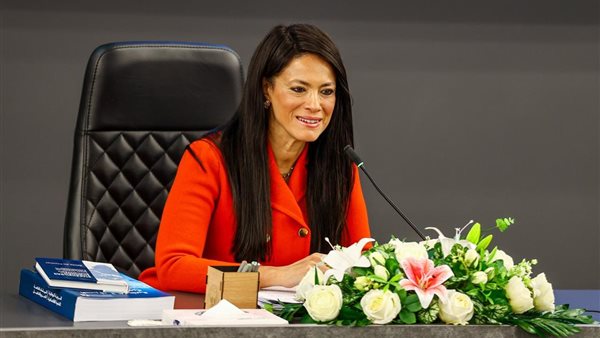
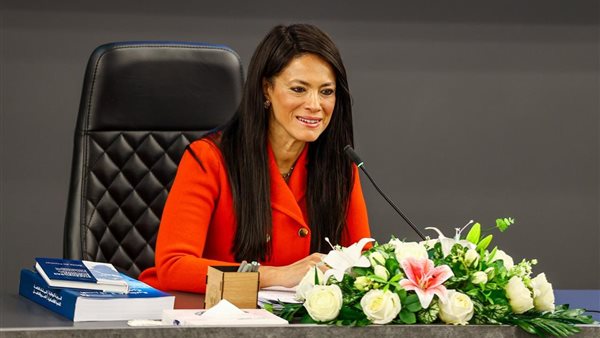
Today, Dr. Rania Al-Mashat, Minister of Planning, Economic Development and International Cooperation, met with military attaches nominated to work abroad.
Growth rates of the Egyptian economy
During the meeting, Dr. indicated Rania Al-Mashat The growth rates of the Egyptian economy have risen regularly since July 2024, explaining that the main source of this growth comes from the industrial sectors, then tourism, then communications and information technology, which are productive sectors led by the private sector. The tourism sector is 98% private sector, as well as the industrial sector, as there is the industry of vehicles, chemicals, clothing, textiles, household appliances, and manufacturing, which is mainly based on the private sector, stressing that the Egyptian economy is led by productive sectors implemented by the private sector.
She explained that the growth of industrial production is rising well and this is being translated into a significant increase in Egyptian exports, pointing out that in the tourism sector we will reach close to 19 million tourists this year, and tourist nights in the last quarter of the fiscal year were the highest ever, and the performance rates of the Suez Canal activity were positive in the results of the quarter of the fiscal year ending in September and are recovering against the backdrop of peace efforts sponsored by President Abdel Fattah El-Sisi, President of the Republic, and US President Donald Trump.
She pointed out that although Egypt is the country most affected by what happened in the region in light of the decline in Suez Canal revenues, the Egyptian economy has recovered and its indicators have improved, noting that the Suez Canal accounts for 12% of the global trade movement, and when it is negatively affected, it has an impact on inflation rates in the world.
Al-Mashat confirmed that economic growth came after very important economic reforms in March 2024, in addition to public investment governance procedures, and setting a specific ceiling for investment spending at a value of one trillion pounds in the budget to make room for the private sector. The impact of this appeared in the increase in the private sector’s proportion of total investments, as the private sector now owns the largest portion of investments, and today the private sector obtains the largest credit from banks, especially in the industrial sector.
She expected that the Egyptian economy would achieve growth approaching 5% in the current fiscal year, in light of these positive developments, and the government’s determination to move forward with economic and structural reform measures, and to work to reach 7% levels to increase employment rates and achieve development that is reflected in the citizen, noting that the reports of international institutions confirm the success of government measures in enhancing economic stability and overcoming many challenges.
She also stressed that the year 2026 represents a turning point for the Egyptian economy after financial and monetary reforms, the continuation of structural reforms, and efforts to open new areas of the economy and create a different economic model that builds on infrastructure and spending in ports and logistics areas, then focusing on the most productive sectors.
She pointed out that the model that Egypt applies through its policies is to advance the most productive sectors such as industry, tourism, technology and construction, stressing that these reforms cannot be implemented without macroeconomic stability.
She pointed to the role of productive sectors in creating job opportunities, and the importance of reforms in promoting productive sectors and the private sector to advance job opportunities. The sectors that absorb the most workers are industry, tourism, communications and information technology, pointing out that the completion of the fifth and sixth reviews with the International Monetary Fund and the continuation of reform policies will enhance the positive trends of the economy in 2026.
Al-Mashat shed light on the national narrative for economic development, through which there is a shift to an economic model based on the most productive sectors, explaining that there is a special part for human development in the second edition of the narrative, stressing that macroeconomic stability is a pillar for achieving development through predictable financial and monetary policy, public investment governance, financial control, and mobilization of local resources, and structural reforms enhance the path of macroeconomic stability, to support the green transformation and open the arteries of economic development.
She stated that the structural reforms program is linked to specific time frames, and is being implemented under the supervision of the Ministry and by more than 40 national bodies and in full coordination to ensure increased effectiveness of the implemented policies, pointing out that the program includes more than 430 procedures and policies, in various sectors, including tax and trade reforms, public investment governance, social protection, enhancing private sector participation, supporting the labor market and promoting decent job opportunities, electricity and renewable energy, supporting innovation and emerging companies, enhancing industrial competitiveness, and other sectors.
Al-Mashat also indicated that the Ministry is working to strengthen partnerships with international institutions, UN organizations, and the private sector, exploit resources, and advance financing solutions for development, explaining that close relations with the international community, historical relations, and the ability to implement projects and formulate them effectively enhance the state’s ability to provide soft financing, which is less expensive than borrowing from the international market, to implement development projects without adding burdens on the debt and prolonging its terms.
In this regard, she pointed out that the soft financing to support the 2023-2026 budget amounts to $9.5 billion, and the private sector has received $17 billion since 2020, and there are many sectors benefiting from this financing, noting the importance of renewable energy as a very important alternative to saving the import of gas and diesel, pointing to the government’s goal of reaching 42% renewable energy by 2030.
She noted that, through the national platform of the Novi programme, soft development financing amounting to approximately $5 billion has been mobilized for the local and foreign private sector to implement renewable energy projects and support investments in the national electricity grid through ambitious projects that contribute to strengthening Egypt’s capabilities in the field of renewable energy.
She stressed that human development represents one of the basic tributaries of economic development, noting that investment in human capital is a direct investment in a more productive and just future, as the citizen is the focus of development, pointing to the development of the proportion of public investments directed to human development, as it represents 48% of public investments in the plan for the current fiscal year 2026/25.
She explained that the medium-term development plan in accordance with the Planning Law will be prepared in accordance with the program and performance methodology, and it also includes shared horizontal goals between ministries, and clear performance indicators for all ministries to ensure unified efforts and achieve ambitious targets for growth, employment and exports.
Al-Mashat pointed out the importance of the higher joint and ministerial committees, which are supervised by the Ministry of Planning, Economic Development and International Cooperation, as the mechanism of joint committees is one of the main mechanisms through which Egypt seeks to strengthen economic, trade and investment relations, as well as cultural, scientific and artistic cooperation with brotherly and friendly countries, explaining that the Ministry of Planning, Economic Development and International Cooperation supervises about 55 joint committees between Egypt and many countries from different continents of the world, which contributes to advancing areas of cooperation, enhances common interests, and opens horizons. For partnership with the private sector, and in light of the Egyptian state’s keenness to advance joint economic, trade and investment relations between brotherly and friendly countries, the year 2025 witnessed the completion of 11 higher and ministerial committees with sisterly and friendly countries and the signing of more than 65 cooperation documents and protocols to enhance trade and investment relations.